


The article has been reviewed by Dr. Lee Yin Yin, Candice, Specialist in Respiratory Medicine, St. Paul's Hospital


What is RSV (Respiratory Syncytial Virus)?
(  Click the image to enlarge )
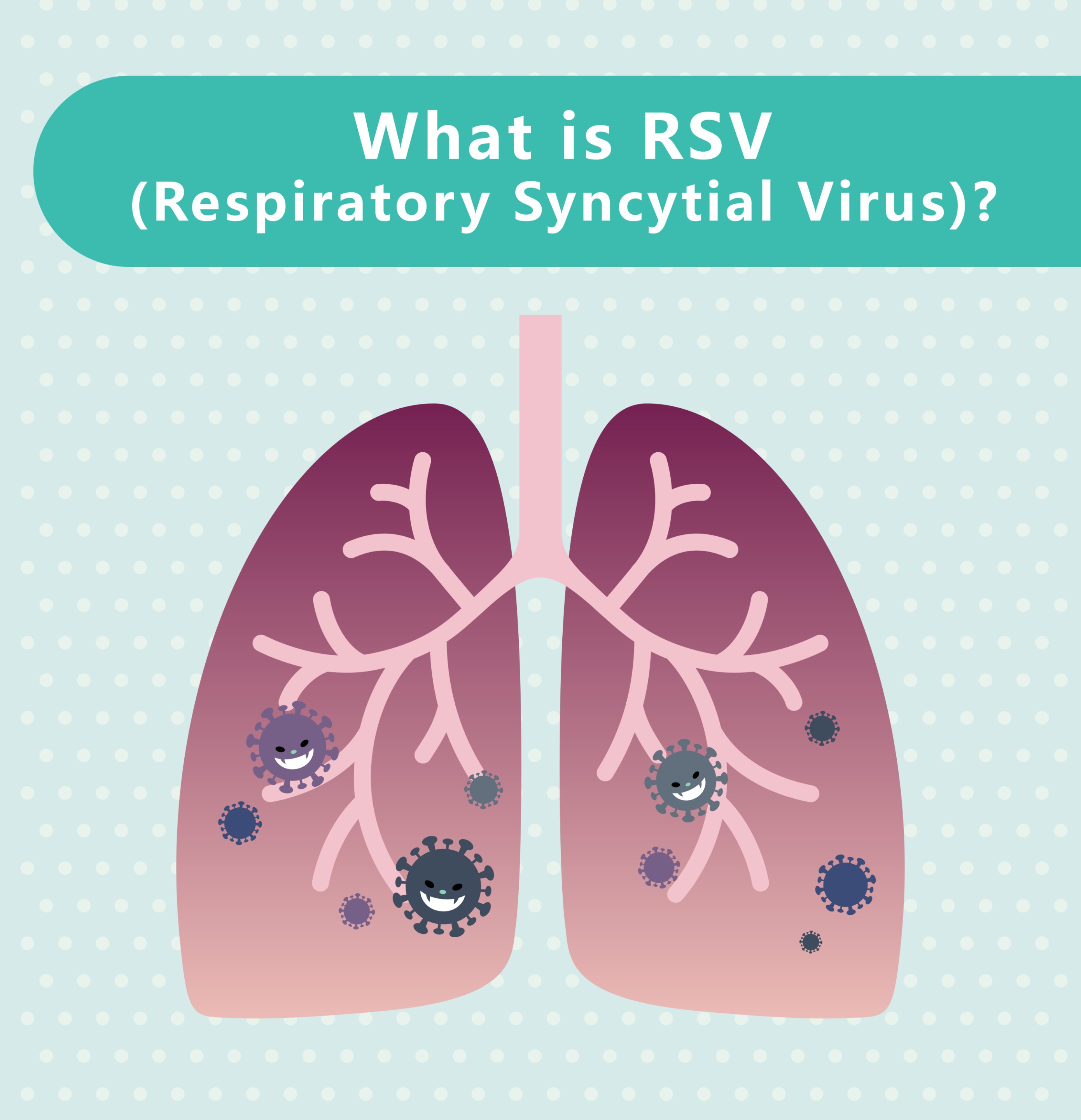
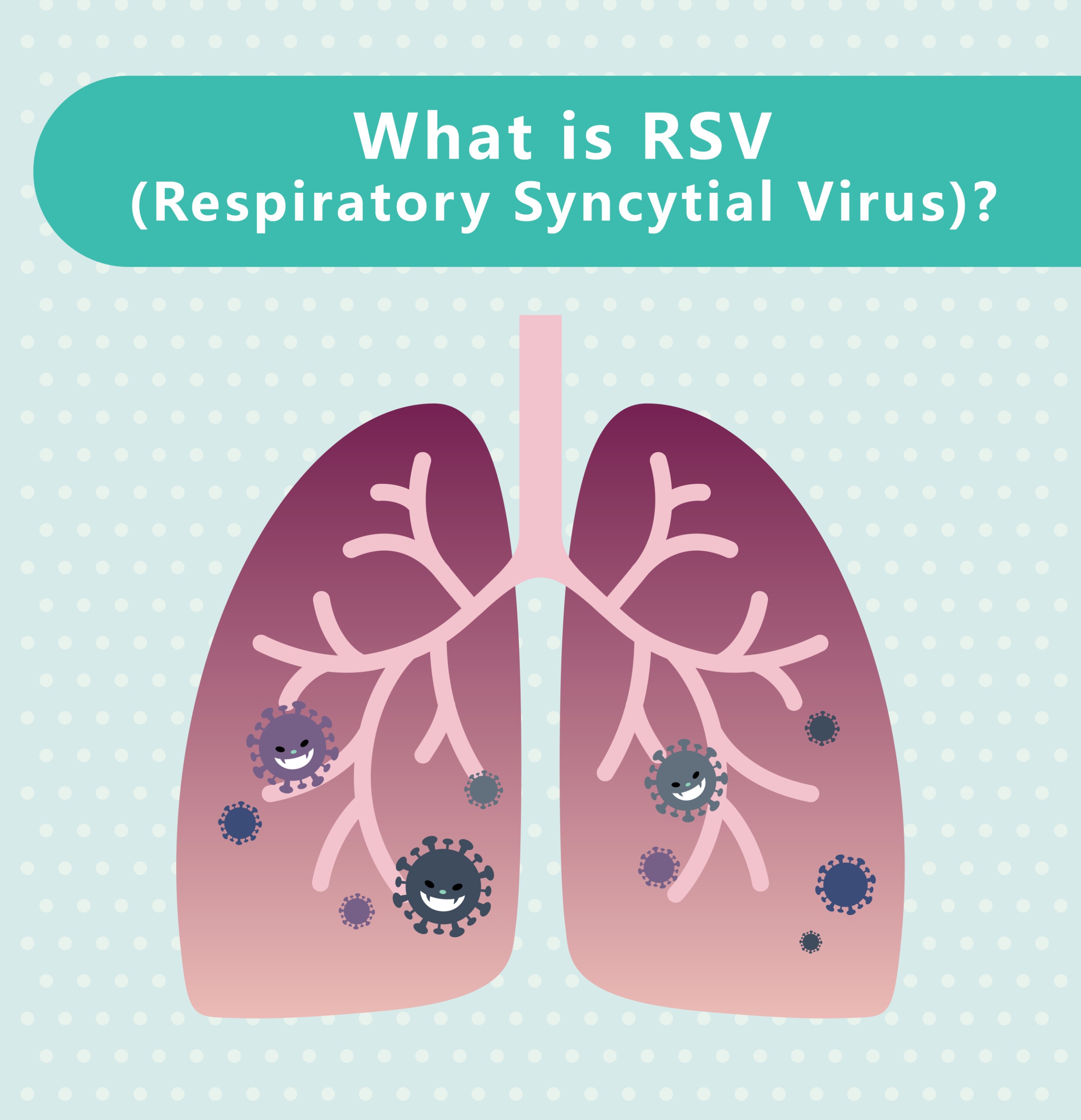
RSV is the abbreviation for Respiratory Syncytial Virus, a common single-stranded RNA virus. After infection, it causes respiratory epithelial cells to fuse, forming large syncytial cells that can block small airways. RSV is one of the most common causes of acute lower respiratory tract infections in children worldwide, and it is also a major cause of serious respiratory illness in older adults.
Why are people easily infected?
RSV is highly contagious, and the antibodies the body produces after infection do not provide permanent immunity. In other words, whether in adults or children, reinfection is possible whenever immunity declines or the virus mutates.
Transmission Mechanisms and Seasonal Trends
Routes of transmission
RSV has two genotypes: type A and type B. It spreads through droplets, the air, or contact with contaminated surfaces and materials.
How long can the RSV virus survive?
On hard surfaces (such as stainless steel or plastic), the virus can survive for up to 6 hours or longer. On clothing or skin, it can survive for about 20 to 30 minutes.
Seasonal distribution: Why is the outbreak peak during autumn, winter, and early spring?
In Hong Kong, RSV infection rates typically begin to rise in spring and summer or after the onset of autumn. Low temperatures and humid conditions favor the virus's stability in both outdoor and indoor environments, accelerating its spread.
Serious complications and long-term effects: Acute bronchiolitis, pneumonia, and future asthma development
Severe RSV infections can lead to long-term impairment of lung function. A U.S. study suggests that children who were hospitalized for RSV in early life have a significantly higher risk of developing asthma later.1
RSV: A Pneumonia Risk That Should Not Be Ignored
After a person is infected with RSV, inflammation often directly affects the lower respiratory tract, leading to severe pneumonia or respiratory failure. For older adults and people with chronic illnesses, the threat is just as serious as influenza.
Adults and seniors: The pneumonia threat hidden behind “ordinary cold symptoms”
Respiratory syncytial virus (RSV) is often mistaken for a purely pediatric illness. However, for adults—especially those over 60—RSV is a critical pathogen that can cause severe pneumonia, hospitalization, and even death. Since early symptoms in adults are very similar to influenza or the common cold, diagnosis and treatment can be delayed, allowing the condition to progress to severe disease.
Atypical symptoms: Sore throat, fatigue, and low-grade fever that may be overlooked
In adults, symptoms are often milder but may include pronounced whole-body fatigue and repeated low-grade fevers. As the virus attacks the lower respiratory tract, it increases airway secretions. For individuals with sensitive airways, coughing may persist for several weeks.
How chronic conditions like heart disease, COPD, and asthma can be worsened by RSV
For seniors with chronic obstructive pulmonary disease (COPD), RSV can trigger severe acute flare-ups, leading to a rapid drop in blood oxygen levels. This may require oxygen therapy and, in some cases, assisted ventilation using a positive-pressure breathing machine.
Symptom Timeline After RSV Infection and Recovery Time
Incubation period: Symptoms appear about 2 to 8 days after infection
After exposure to RSV, the illness typically does not start immediately. The incubation period is usually 2 to 8 days, with symptoms most commonly appearing within 4 to 6 days. The virus spreads from the upper respiratory tract down to the lungs, specifically the small airways (bronchioles), causing inflammation and swelling of the bronchiolar lining.
How long does it usually take to recover? When does it become severe?
Most patients recover on their own within 1 to 2 weeks. However, if a cough worsens after the fifth day of illness or shortness of breath develops, it is important to remain highly alert for possible progression to a more severe condition.
Key Warning Signs: When You Should Seek Immediate Hospital Care
If you notice the following clinical signs, it indicates the respiratory system is no longer able to oxygenate effectively. You should seek emergency medical support immediately:
- Abnormal breathing patterns
- Retractions above the collarbone (supraclavicular retractions): Contraction of the upper chest and neck muscles during breathing. You may visibly see the neck muscles (sternocleidomastoid) working hard as the patient tries to force the chest to expand and increase airflow.
- Orthopnea: The patient feels unable to lie flat and must sit upright or lean forward with hands braced on their knees to breathe as comfortably as possible.
- Worsening abdominal (belly) breathing: Unusually forceful movement of the abdomen as the body attempts to compensate for insufficient ventilation.
- Abnormal physiological indicators
- Changes in mental status: Confusion, drowsiness, or unusual agitation caused by low oxygen levels (hypoxia).
RSV Prevention and Treatment Strategies: Preventing Infection and Severe Disease
Personal and environmental perspectives
(  Click the image to enlarge )
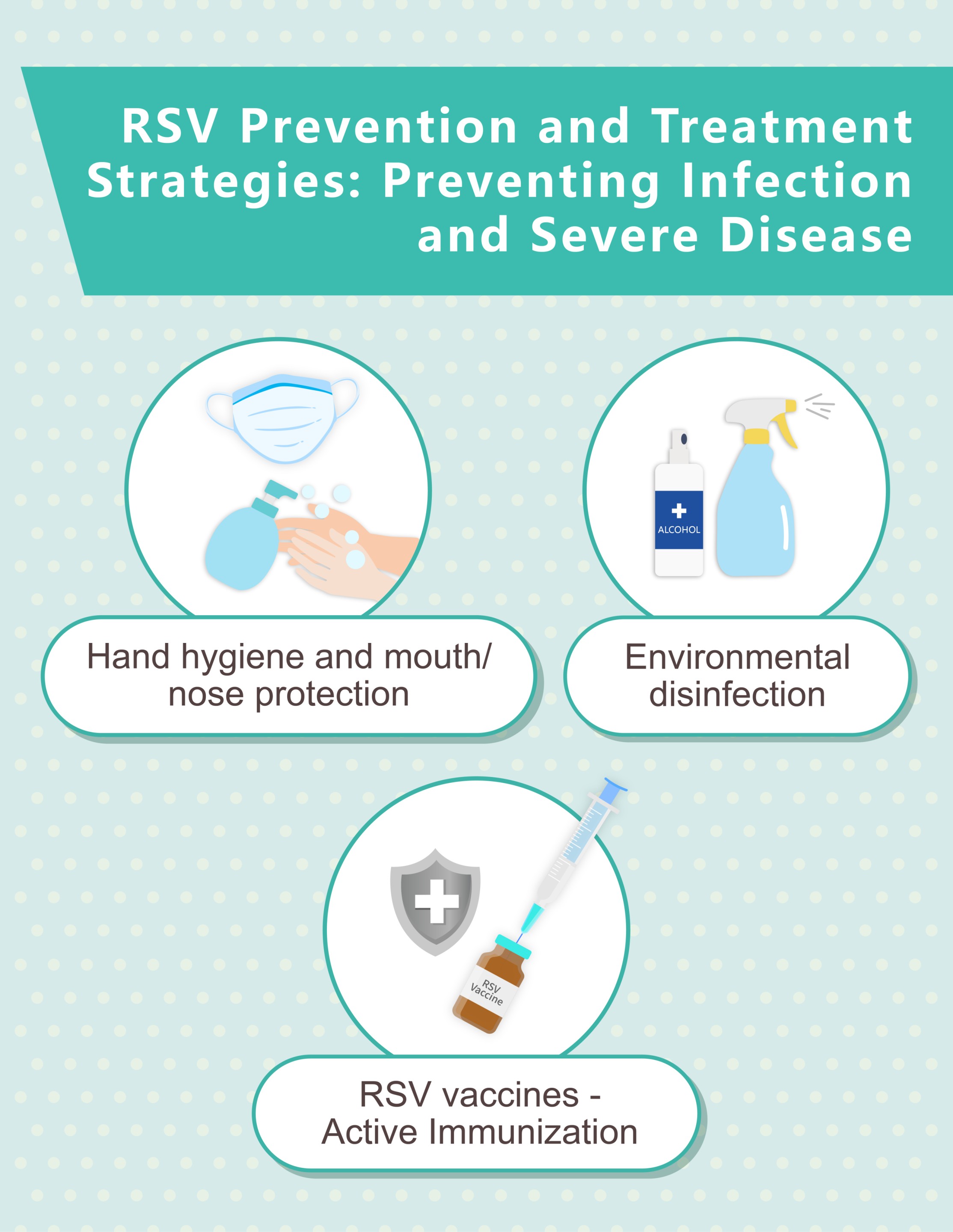
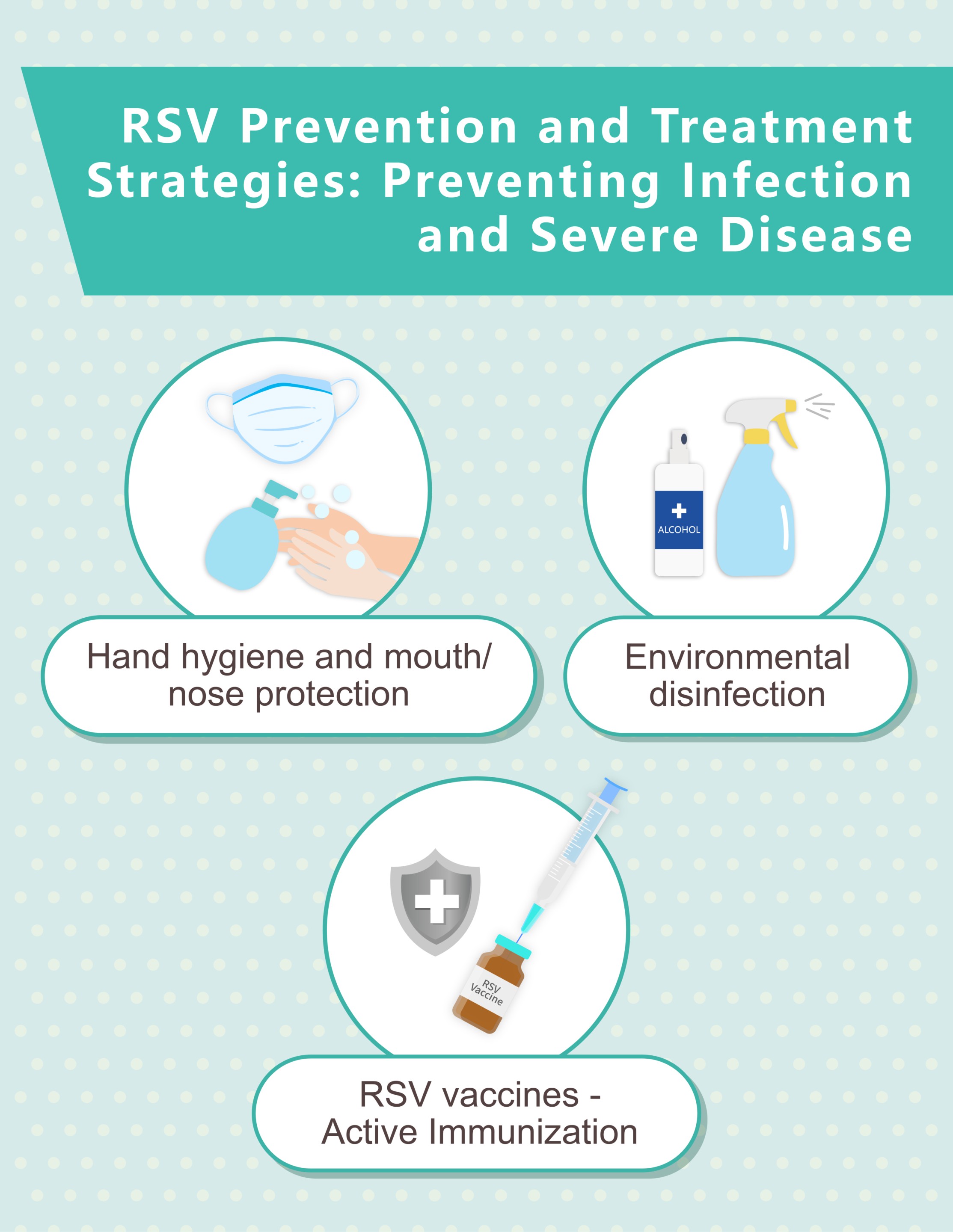
Hand hygiene and mouth/nose protection
Washing hands frequently and wearing a mask correctly in public settings is the most effective way to block droplet transmission and contact spread.
Environmental disinfection
Regularly clean household items such as toys, doorknobs, and frequently used switches using diluted bleach or 70% alcohol.
RSV vaccines - Active Immunization
RSV vaccines aim to prevent severe lower respiratory tract disease caused by RSV infection, mainly for:
- Older adults and high-risk individuals2 (including people with chronic conditions such as chronic lung disease, cardiovascular disease, liver disease, kidney disease, etc.).
- Pregnant women between 32 and 36 weeks of pregnancy3(vaccination during pregnancy allows the fetus to receive antibodies through the mother, helping protect the newborn).
Before considering an RSV vaccination, please consult a doctor to evaluate the most appropriate plan.
Special Care for High-Risk Groups
Early intervention: Key home-monitoring indicators
Monitoring respiratory rate
For adults at rest, the normal respiratory rate is typically 12 to 20 breaths per minute. If you notice breathing becoming faster and shallower, or if the person develops shortness of breath or chest tightness, it may indicate increased respiratory effort due to pneumonia, and they should seek medical care immediately.
Monitoring oxygen saturation
Use a home pulse oximeter. If oxygen saturation remains below 95%, it suggests the lungs' gas-exchange function is impaired and oxygen levels may be insufficient to support normal organ function.
Monitoring food intake and urine output
Fever or infection can accelerate fluid loss in the body. Monitoring urine output is an important way to assess whether the person is dehydrated and whether kidney function is being affected.
Diagnosis and Treatment Methods for Respiratory
Clinical diagnostic tools
| Test Item | Rapid Antigen Test (RAT) | Nucleic Acid Test (PCR) |
| Testing Principle | Samples are collected from nasopharyngeal secretions to detect specific viral proteins. | Offers very high sensitivity and specificity, accurately identifying the virus type. |
| Advantages / Positioning | Provides quick results. However, samples with a low viral load may produce false negatives. | Offers very high sensitivity and specificity, accurately identifying the virus type. |
| Suitable For | General quick screening. | The “gold standard” for diagnosis. |
Other supportive imaging tests
Chest X-ray or CT scan
Used to determine whether the condition has progressed to pneumonia or bronchiolitis, and to assess whether there is mucus accumulation in the lungs.
Monitoring oxygen saturation
Monitors changes in oxygen levels to evaluate whether the patient requires supplemental oxygen.
Treatment principles — Is there a specific medicine for RSV?
Supportive care: Reducing fever, replenishing fluids, and providing oxygen
At present, there is no broadly used oral antiviral drug specific to RSV. Treatment focuses on maintaining the patient's overall condition and ensuring comfortable, adequate breathing.
Symptom-relief medications: When to use bronchodilators and expectorants
Specialists in Respiratory Medicine prescribe bronchodilator nebulizers or expectorant medications based on the patient's condition to relieve airway spasms and blockages.
When is oxygen therapy or intravenous fluids needed?
If the patient shows signs of respiratory failure or becomes dehydrated due to difficulty eating, hospitalization and medical support are required.
Common Questions About RSV
If I get RSV, will I recover on my own? Or do I need antibiotics?
RSV is a viral infection. Most mild cases improve with supportive care. However, if secondary bacterial complications develop—such as bacterial pneumonia, sinusitis, or ear infections—antibiotics may be needed.
If I've had RSV once, will I have lifelong immunity?
No. The immune protection developed after an RSV infection is relatively short-lived, meaning reinfection remains possible.
Can an RSV vaccine and a flu vaccine be given at the same time?
Some RSV vaccines can be administered concurrently with the flu vaccine, while others are given separately. It is recommended to consult your doctor for personalized advice.
How long do aftereffects last?
Some children who experience severe illness may continue to have airway sensitivity or an intermittent cough for several months after recovery, requiring regular medical follow-up.
Why does RSV look like a common cold in adults, but cause severe disease more easily in infants and young children?
Adults' airways are fully developed and have wider diameters. In contrast, infants' bronchioles are extremely small. RSV causes inflammation, swelling, and heavy mucus production in these small airways, making complete blockage much more likely and leading to “bronchiolitis.”
If I catch a cold, will I pass RSV to the baby at home?
Yes, and it is highly contagious. Adults may experience only a mild cough or sore throat and mistake it for a normal cold, becoming less cautious. Because the virus spreads through droplets and contact, if an infected adult holds or kisses a baby, it can easily lead to the child developing a severe RSV infection.
Reference:
1.“Study links infant RSV to childhood asthma”, Medical Express https://medicalxpress.com/news/2023-04-links-infant-rsv-childhood-asthma.html
2.Department of Health https://www.drugoffice.gov.hk/eps/news/showNews/newsTitle/consumer/2025-05-19/en/55473.html?utm_source=perplexity
3.Centre for Health Protection https://www.chp.gov.hk/files/pdf/interim_consensus_on_the_use_of_respiratory_syncytial_virus_vaccines_in_hong_kong_jan2025.pdf?utm_source=perplexity


