


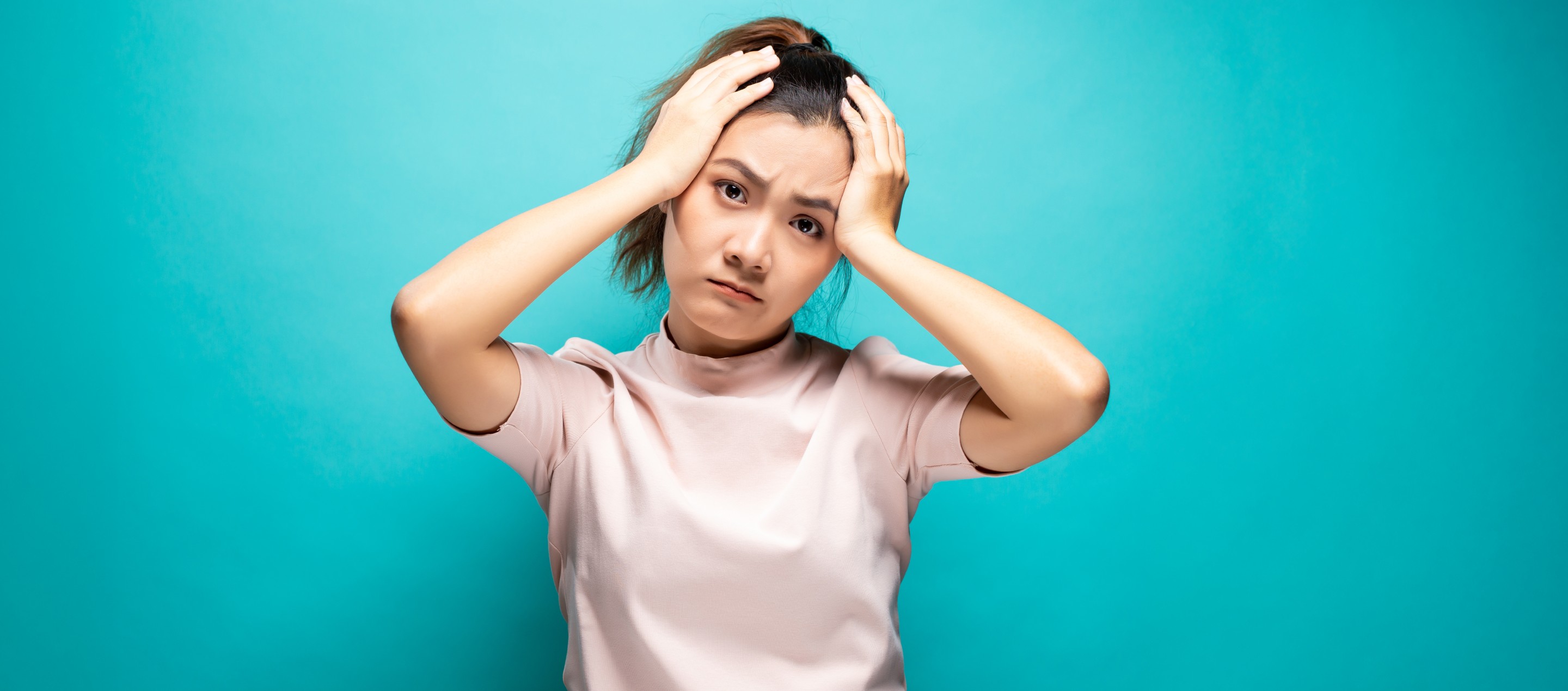

Headache is one of the most common reasons for seeking medical consultation. Most cases are benign and belong to the category of primary headaches, but a small number may indicate serious neurological or systemic diseases. Understanding the characteristics of headache and migraine helps with early recognition, timely diagnosis and appropriate medical treatment.
Understanding Primary and Secondary Headaches
Clinically, headaches can be divided into two main categories:
( Click the image to enlarge )
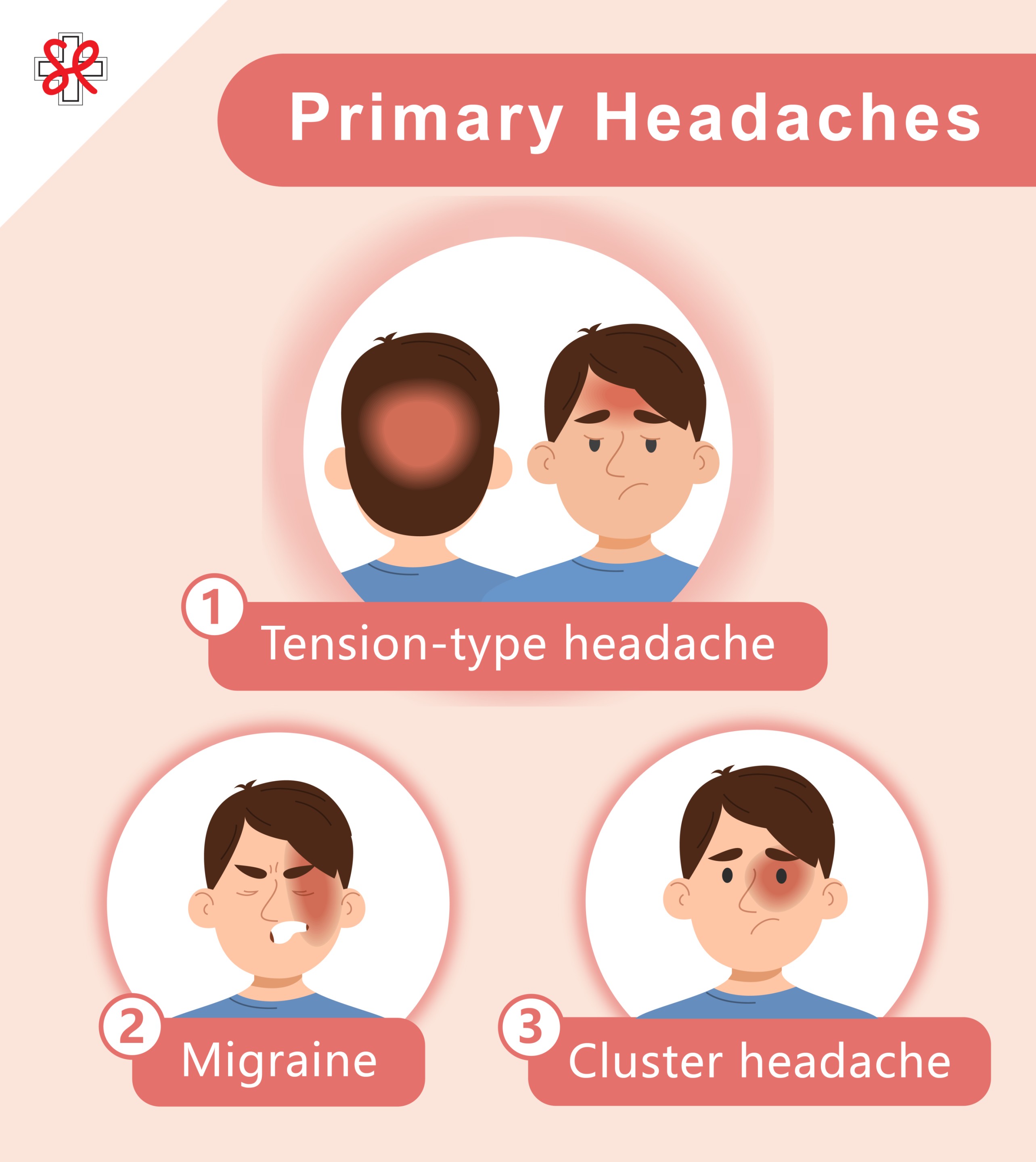
1.Primary Headaches
These are headaches not caused by another underlying disease. Common types include:
- Tension-type headache
- Migraine
- Cluster headache
(  Click the image to enlarge )
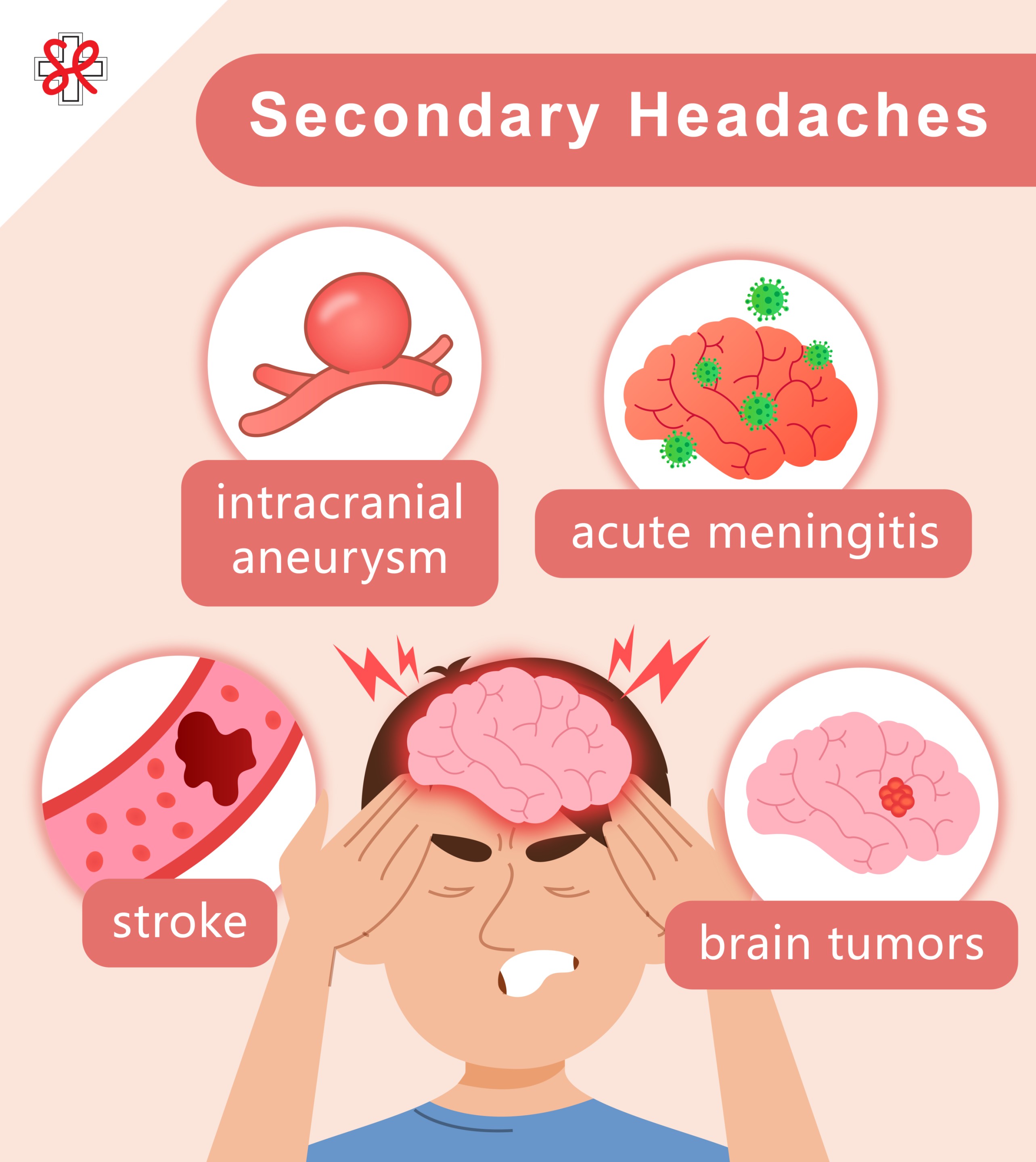
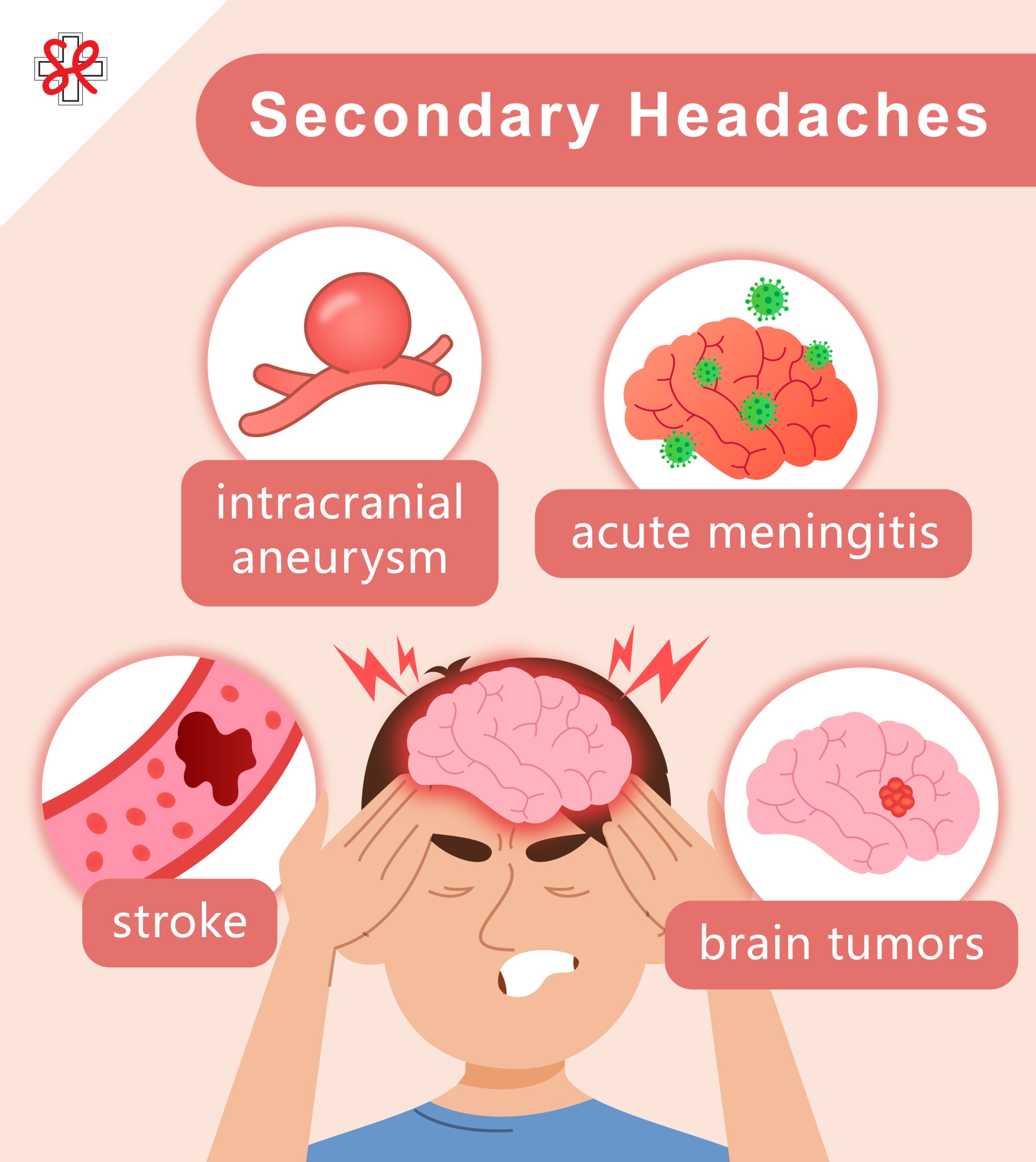
2.Secondary Headaches
These result from identifiable diseases or injuries, such as stroke, intracranial aneurysm, acute meningitis, or brain tumors.
What Is Migraine? Causes and Common Triggers
Migraine is a type of primary headache associated with dysregulation of brain blood vessels, the trigeminal nerve, and several neurotransmitters. Calcitonin Gene-Related Peptide (CGRP) plays a major role in the pain transmission and vascular dilation seen in migraine attacks.
Current research shows that the following factors are often related to the onset or worsening of migraine:
- Family history: about 90% of migraine patients have family members with similar symptoms, suggesting strong genetic predisposition.
- Hormonal changes: in women, rapid estrogen decline during menstruation, pregnancy, or menopause can reduce brain serotonin and sensitize the trigeminal nerve, triggering "menstrual-related migraine".
- Weather changes: factors such as large temperature differences or shifts in humidity.
- Stress and emotions: work, academic, or interpersonal stress is often reported as a trigger.
- Sleep habits: both sleep deprivation and excessive sleep can trigger or worsen headaches.
- Diet, caffeine, and alcohol: foods such as chocolate, cheese, processed meats, MSG-containing or nitrate-rich foods, and beverages containing caffeine (coffee, tea, cola, etc.) or alcohol are known dietary triggers.
- Medications: certain hormone-related drugs, such as oral contraceptives or hormone replacement therapy, may affect headache frequency in specific cases.
How to Recognize Migraine: key Symptoms and Patterns
Migraines do not always affect only one side of the head. Some patients experience bilateral or whole-head pain. However, the pain features and accompanying symptoms often display typical patterns.
Clinically, two groups of features help with preliminary identification:
( Click the image to enlarge )
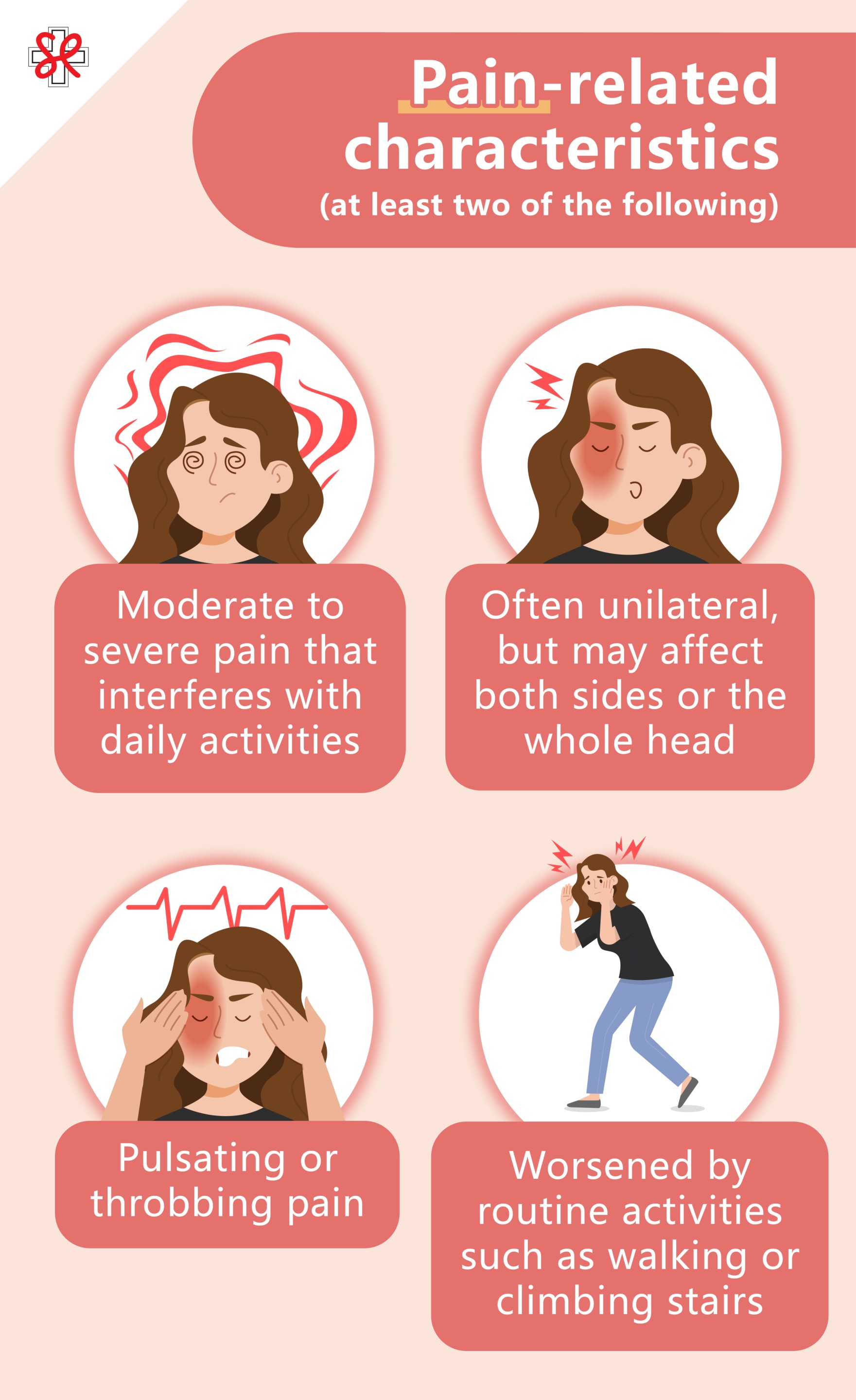
Pain-related characteristics (at least two of the following):
- Moderate to severe pain that interferes with daily activities;
- Often unilateral, but may affect both sides or the whole head;
- Pulsating or throbbing pain;
- Worsened by routine activities such as walking or climbing stairs;
( Click the image to enlarge )
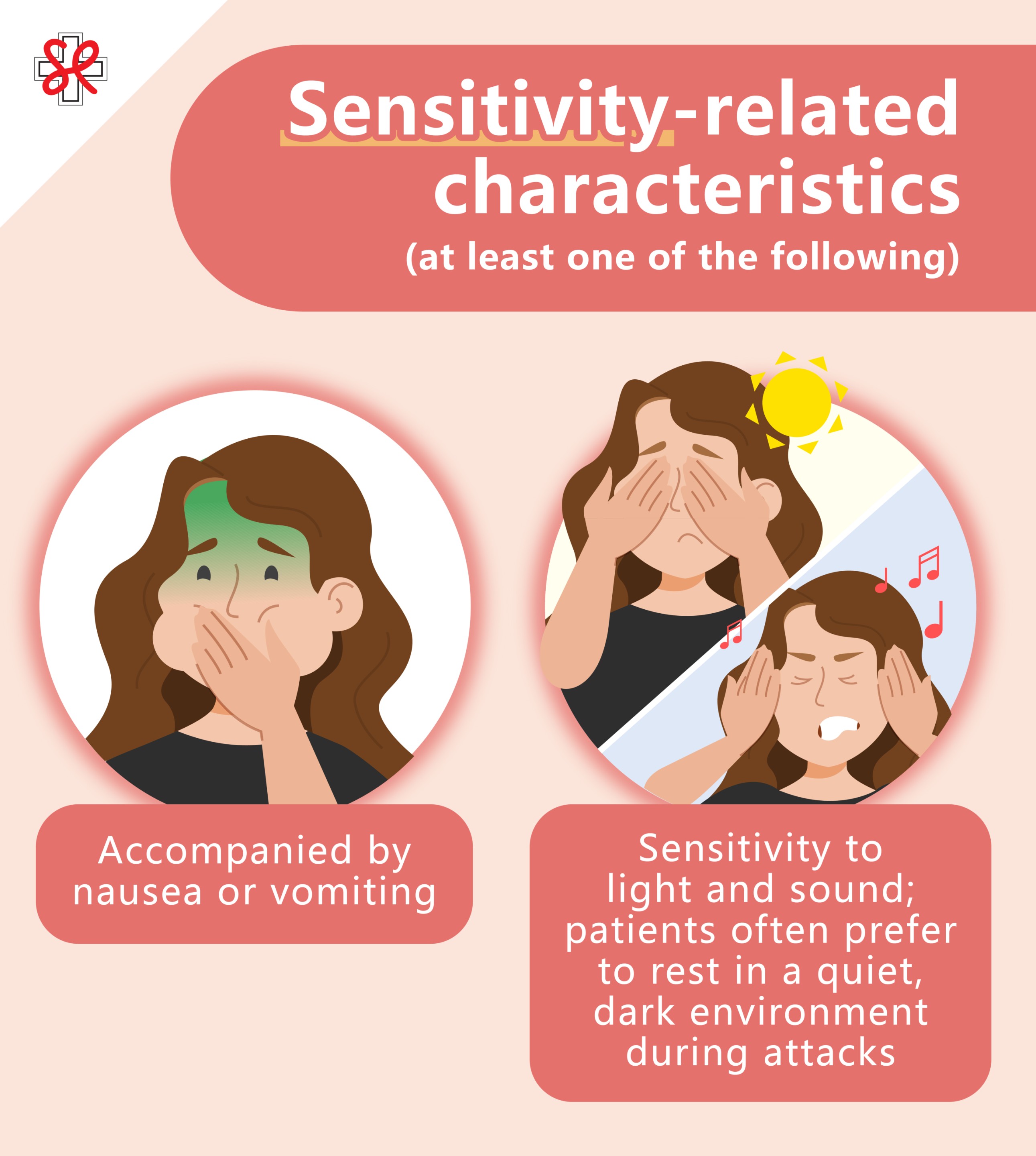
Sensitivity-related characteristics (at least one of the following):
- Accompanied by nausea or vomiting
- Sensitivity to light and sound; patients often prefer to rest in a quiet, dark environment during attacks
If these symptoms occur frequently and last from several hours to several days each time, it is advisable to seek evaluation by a neurologist to confirm the diagnosis.
Self-Care Tips to Relieve Migraines
Besides taking prescribed pain killers or specific anti-migraine medications, the following measures may help relieve discomfort:
- Cold compress on the temples or forehead: helps constrict blood vessels and reduce pressure-related pain.
- Moderate caffeine intake: can temporarily alleviate headache in some patients, but excessive or daily dependence should be avoided to prevent "withdrawal headaches".
- Adequate hydration: maintaining good fluid intake helps support metabolism and circulation, promoting the removal of inflammatory substances and easing discomfort.
- Foods rich in magnesium: magnesium aids muscle relaxation and blood regulation. It can be obtained from foods such as black beans, soybeans, brown rice, cashews, almonds, bananas, starfruit, spinach, seaweed, kelp, and broccoli.
- Regular and sufficient sleep: maintaining a consistent sleep schedule and avoiding long-term sleep deprivation or excessive weekend sleep can help reduce headache frequency.
Additionally, keeping record on the time of onset, pain intensity, diet, sleep, and stress status—can assist neurologist in identifying triggers and optimizing treatment strategies.
Understanding the characteristics of headache and migraine, along with mastering self-care techniques, helps effectively reduce attack frequency and improve quality of life. If one suffers from recurrent or severe headaches; or symptoms like sudden intense pain, blurred vision, weakness, or persistent vomiting; he/she should seek medical attention early.
> If you have any questions or concerns, please feel free to schedule a consultation appointment with our Neurologist.
Learn about other professional services:


