


The article has been reviewed by Dr. Mok Chung Wai, Specialist in Obstetrics & Gynaecology, St. Paul's Hospital


Cervical cancer is a major challenge for women's health worldwide, as it has a long latent period and often shows no clear symptoms in the early stages. This article will guide you through the causes of cervical cancer, the development of precancerous cervical lesions, screening methods, and a range of treatment options, helping you take the first crucial step in protecting your own health.
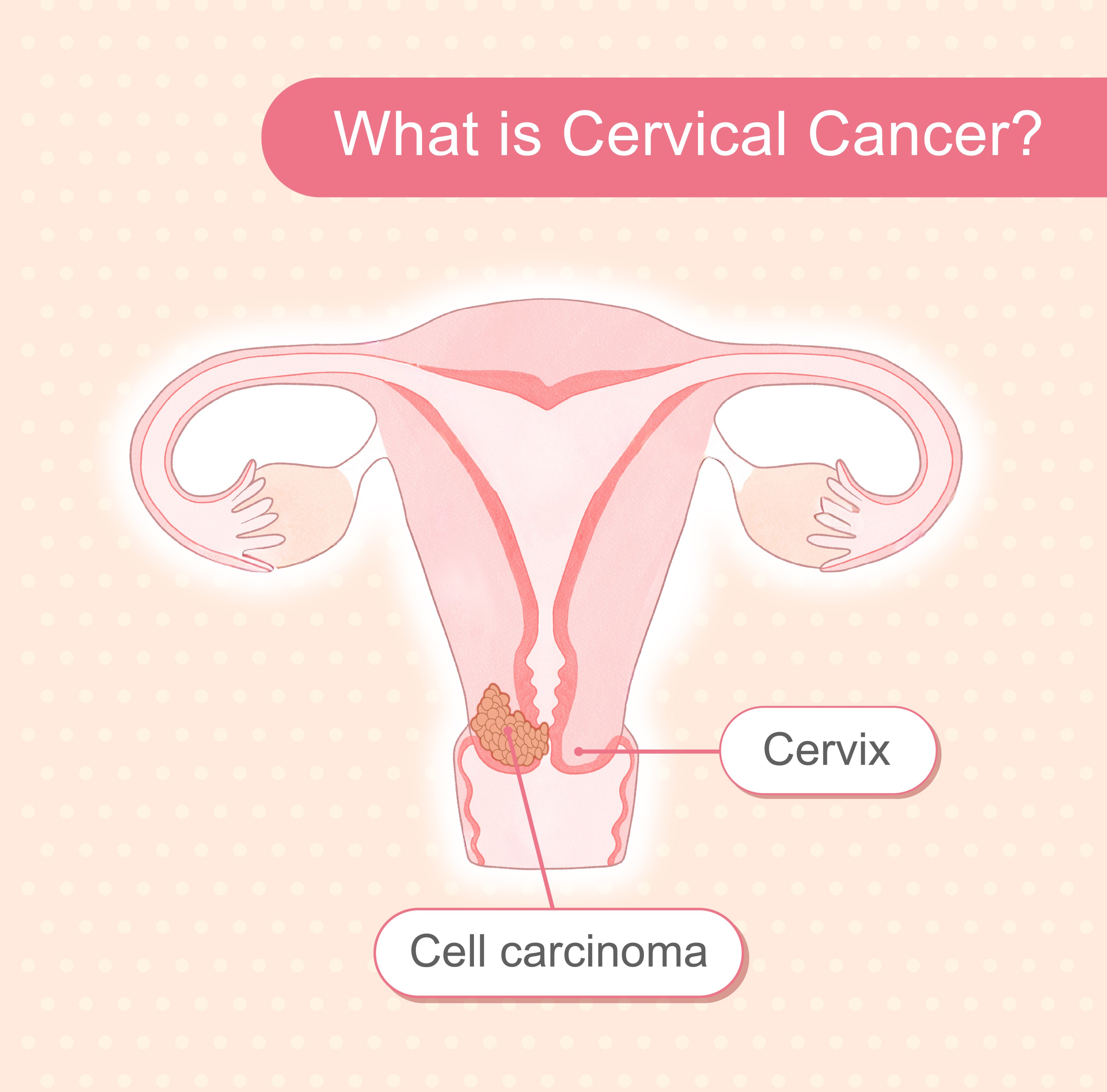
What is Cervical Cancer?
( Click the image to enlarge )
Cervical cancer (cervical cancer) occurs in the cervix — the part where the uterus connects to the vagina. Most cases are caused by abnormal proliferation of surface cells of the cervix, with squamous cell carcinoma being the most common type. This cancer usually develops through a long precancerous stage, providing valuable time for early screening and intervention.
Cervical Cancer Situation in Hong Kong 1
Cervical cancer ranks as an important cancer among women in Hong Kong. According to statistics from the Hong Kong Cancer Registry, in 2023, cervical cancer was the 7th most common cancer among women, accounting for 3.0% of all new cancer cases in women. In the same year, there were 576 new cases of cervical cancer. The crude incidence rate was 14.0 per 100,000 women, while the age-standardized incidence rate was 8.4 per 100,000 women . Among female cancer-related deaths in Hong Kong, cervical cancer ranked 9th, making it one of the key health threats for women in the region.
Relationship between cervical precancerous lesions and cervical cancer
Cervical precancerous lesions refers to abnormal changes in cervix cells that have not yet developed into cancer. Medically, it is called Cervical Intraepithelial Neoplasia (CIN). The progression from CIN to invasive cancer usually takes 15 to 20 years2. CIN is classified into grades 1 to 3, and the higher the grade, the greater the risk of worsening into cervical cancer. Regular screening (such as Pap smears and HPV testing) helps detect and treat these precancerous lesions at an early stage.
Common Symptoms of Cervical Cancer
Early cervical cancer often has no obvious symptoms, which may lead many patients to delay diagnosis and treatment. If you experience any of the following warning signs or symptoms, you should seek medical care promptly:
- Abnormal vaginal bleeding: This is the most common warning sign. It may occur after sex, as bleeding between menstrual periods, or as bleeding after menopause.
- Abnormal vaginal discharge: Increased discharge that may have an unpleasant odor, contain blood streaks, or appear watery.
- Pelvic pain: Persistent pain in the pelvis or lower abdomen, or pain during sex.
- Changes in urination or bowel habits: As cancer spreads and compresses nearby organs (such as the bladder or rectum), it may cause difficulty urinating, frequent urination, or constipation.
If you notice any cervical cancer warning signs or symptoms above, seek professional help from an obstetrics and gynecology specialist and consider arranging screening or a check-up as soon as possible. You may contact St. Paul's Hospital's Obstetrics and Gynecology Specialist Outpatient Department to make an appointment for a personalized diagnosis and treatment recommendations.
Major Causes and High-Risk Factors for Cervical Cancer
Most cases of cervical cancer are linked to infection with Human Papillomavirus (HPV). Nearly 76% of cervical precancerous lesions2 are caused by HPV types 16 and 18. In addition to HPV infection, the following factors can increase the risk of cervical cancer:
- Smoking: Smoking weakens the immune system's ability to fight HPV infection.
- Weakened immune system: For example, people living with HIV, or those taking immunosuppressive medications long-term.
- Multiple sexual partners or early sexual activity: Increases the chance of HPV infection.
- Long-term use of oral contraceptives: May slightly increase risk.
- Having had many pregnancies/births: Especially multiple full-term deliveries.
How Cervical Cancer Is Diagnosed
Early diagnosis is extremely important for finding precancerous changes and significantly improving cure rates. Cervical cancer diagnosis typically involves two stages: initial screening and further diagnosis.
Initial Screening
Further Diagnosis
When initial screening results are abnormal or there is a high suspicion of cervical cancer, an obstetrics and gynecology specialist will arrange the following tests. These help accurately determine the type of abnormality, its extent, and cancer staging.
Cancer Staging System
Cervical cancer staging is primarily based on the FIGO staging system (Federation of International Gynecology and Obstetrics). Generally, the earlier the stage, the higher the chance of cure and the more treatment options available.
Treatment Methods for Cervical Cancer
Treatment for cervical cancer is a comprehensive decision-making process. It mainly depends on the stage of the disease, the size of the tumor, and the patient's overall health and fertility needs. Treatment options can be grouped into surgical treatment, radiotherapy, and systemic treatments.
Surgical Treatment
Surgery is often the first-choice treatment for early-stage cervical cancer or cervical precancer.
Systemic Therapy
Drug therapy is a form of systemic treatment. Drugs travel through the bloodstream to reach the whole body, aiming to kill cancer cells at the primary site and in areas of spread (metastasis).
Radiotherapy
Radiotherapy uses high-energy radiation (such as X-rays) to destroy cancer cells. It is often used as an alternative to surgery or as an additional (adjuvant) treatment, and it may also be combined with chemotherapy. Radiation treatment typically includes external beam radiation to target the pelvic area, and Brachytherapy, where a radiation source is placed in the vagina or uterus for near-field treatment. This can effectively kill tumor cells while reducing damage to surrounding healthy tissues.
Choosing a treatment plan for cervical cancer requires a multidisciplinary team (including specialists from Obstetrics & Gynecology and Oncology) to evaluate your situation and make a joint decision. It is mainly based on the disease staging system. The goal is to eliminate cancer as much as possible while minimizing the impact on physical function and quality of life. If you would like further consultation about cervical cancer treatment options, you may contact St. Paul's Hospital's Obstetrics and Gynecology Specialist Outpatient Department, or Radiotherapy and Oncology Centre for professional advice.
Personal Care During Treatment
Cervical cancer treatment is a challenging and often long process. Good personal care and healthy daily habits are important for reducing treatment side effects, helping the body recover faster, and maintaining a good quality of life.
1.Nutrition Support and a Balanced Diet
Maintain a balanced diet that is high in protein and total intake calories in moderation. Cancer cells and the treatment process both consume a great deal of energy. Adequate nutrition helps the body repair damaged tissues and supports immune function.
If you experience loss of appetite, consider eating smaller meals more frequently, and consult a dietitian for tailored advice.
The registered dietitians at St. Paul's Hospital provide individual nutritional consultations and dietary guidance to help you develop a personalized meal plan. Welcome to make an appointment or enquiry.
2.Rest and moderate Activity
Ensure you get enough sleep and rest, and avoid excessive fatigue. With approval from your doctor and treatment team, engage in light and gentle activities (such as walking or gentle stretching). This can help improve blood circulation, maintain muscle strength, and support emotional well-being.
3.Emotional and Psychological Support
Cancer treatment can be extremely long. Many patients experience feelings such as anxiety, depression, and fear. Take initiative to seek professional support (e.g., a mental health counselor) and communicate regularly with family and friends to maintain a more positive mindset.
4.Strictly Follow Medical Instructions
Attend follow-up appointments on schedule and follow your medication and treatment timetable carefully. If you develop any new discomfort or unusual symptoms, inform the healthcare team immediately.
Prevention of Cervical Cancer
( Click the image to enlarge )
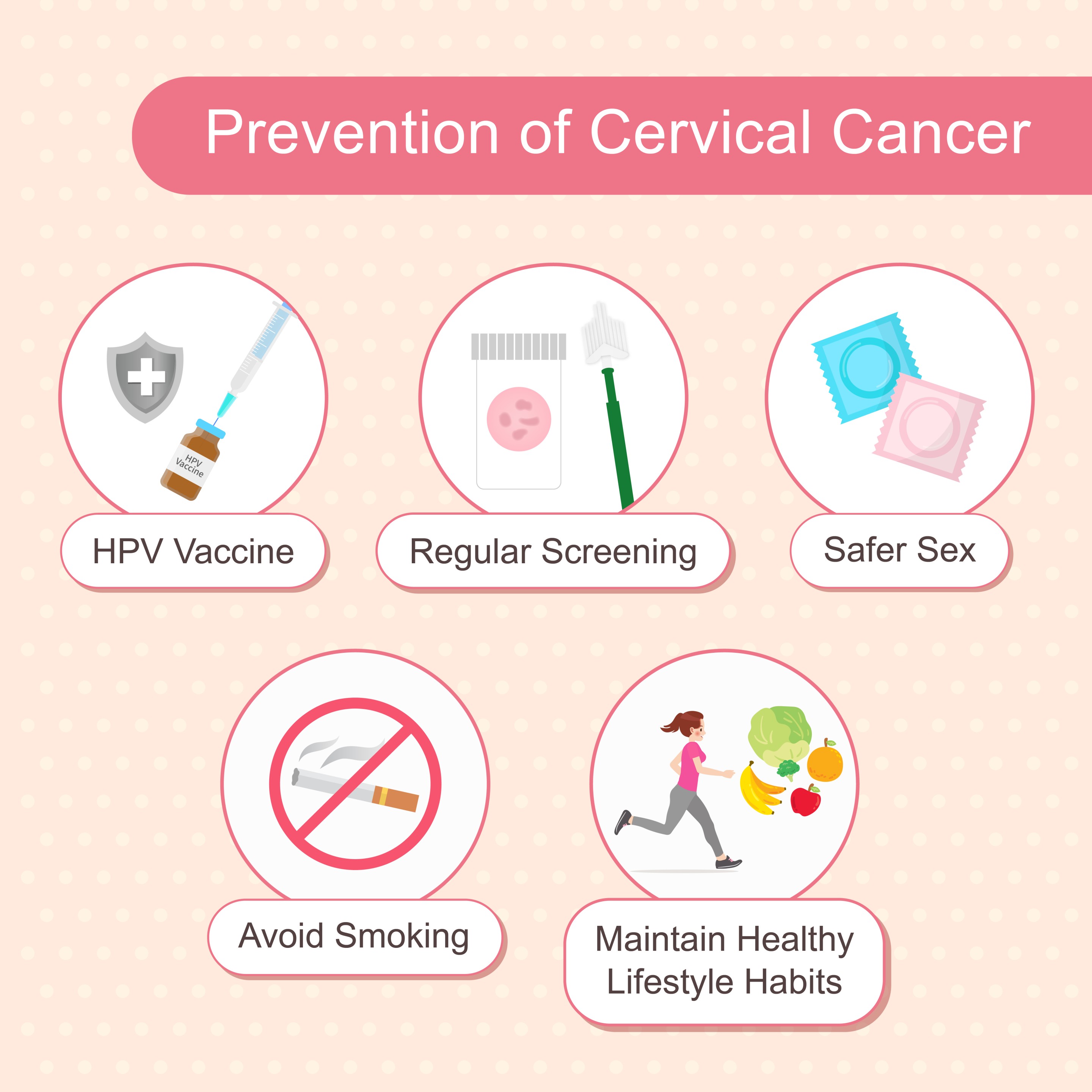
Cervical cancer is one of the few cancers that can be highly prevented through vaccination and early screening. Taking the following proactive steps is key for women to protect their health and prevent precancerous cervical lesions.
1.HPV Vaccine
This is the most direct and effective way to prevent cervical cancer. The HPV vaccine helps prevent most high-risk HPV infections that can lead to cervical cancer (especially HPV types 16 and 18). It is recommended before first sexual activity, but it can still provide benefits for women who have already had sex.
2.Regular Screening
Even after receiving the HPV vaccine, regular screening is still necessary. Through cervical smear tests (Pap smear) and HPV testing, precancerous changes or early cervical abnormalities can be detected early and treated before cancer cells actually develop.
3.Safer Sex
Avoid multiple sexual partners, and use condoms during sex to reduce the risk of HPV infection and other sexually transmitted diseases.
4.Avoid Smoking
Smoking weakens the immune system, making it harder for the body to clear HPV infection. Therefore, quitting smoking is one of the effective ways to reduce the risk of cervical cancer.
5.Maintain Healthy Lifestyle Habits
A balanced diet and regular exercise help support immune function and may help the body clear HPV infections naturally.
Frequently Asked Questions About Cervical Cancer
Does HPV Infection Always Lead to Cervical Cancer?
Although HPV infection is the most important cause of cervical cancer, most infections are cleared by the body's immune system. Only high-risk HPV infections that persist for many years are likely to develop into cancer.
How Often Should I Get a Pap Smear?
It is recommended that women aged 25 or above who have had sexual experience receive cervical screening until the age of 65. If the results are normal for two consecutive years, screening can be performed once every three years thereafter. Some high‑risk individuals or those with previous abnormal results should follow their doctor's advice regarding the frequency of screening.
Do I Still Need Pap Smears After Getting the HPV Vaccine?
Yes. Even after receiving the HPV vaccine, you still need regular Pap smear screening. Current vaccines do not cover all high-risk HPV types and cannot clear infections that may already be present. Therefore, a small residual risk remains, and screening is still important for early detection.
Will Cervical Cancer Treatment Affect Fertility?
Treatment methods can affect fertility. If cervical cancer is early and treatment can preserve the uterus and ovaries (for example, a conization procedure), many patients may still have a chance of pregnancy. If the treatment involves removal of the uterus or ovaries, or requires radiotherapy or chemotherapy, which may permanently damage ovarian function, it can cause infertility. It is recommended that, before treatment, you discuss fertility preservation options with your healthcare team.
Reference:
- Centre for Health Protection, Department of Health, Cervical Cancer
- World Health Organization, Cervical cancer


