


The article has been reviewed by Dr. Lam Chung Man, Specialist in Nephrology
%E9%81%8E%E7%A8%8B%EF%BC%8C%E5%8E%9F%E5%9B%A0%E8%88%87%E4%B8%80%E4%BA%9B%E9%A3%B2%E9%A3%9F%E8%AD%B7%E7%90%86%E7%A6%81%E5%BF%8C-07.jpg "了解血液透析(洗血)過程,原因與一些飲食護理禁忌-07")
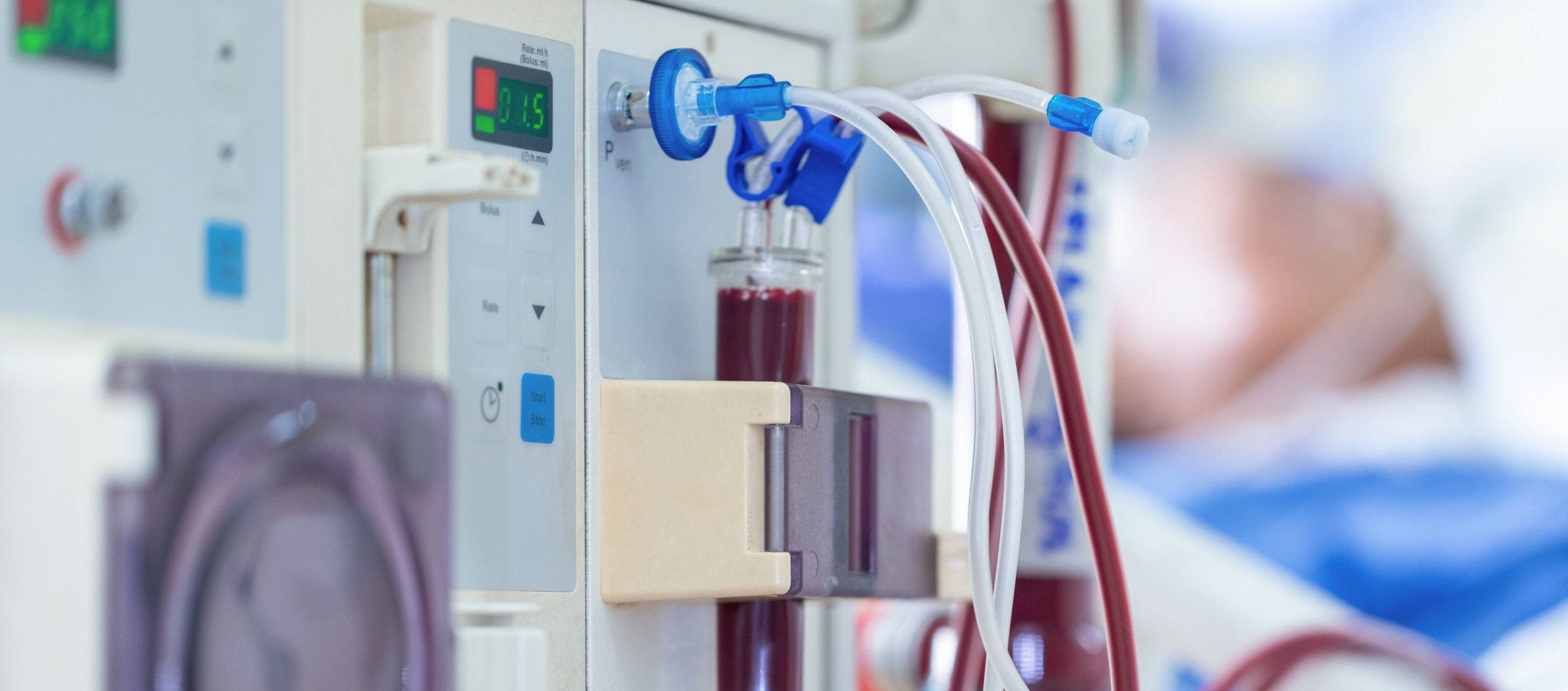
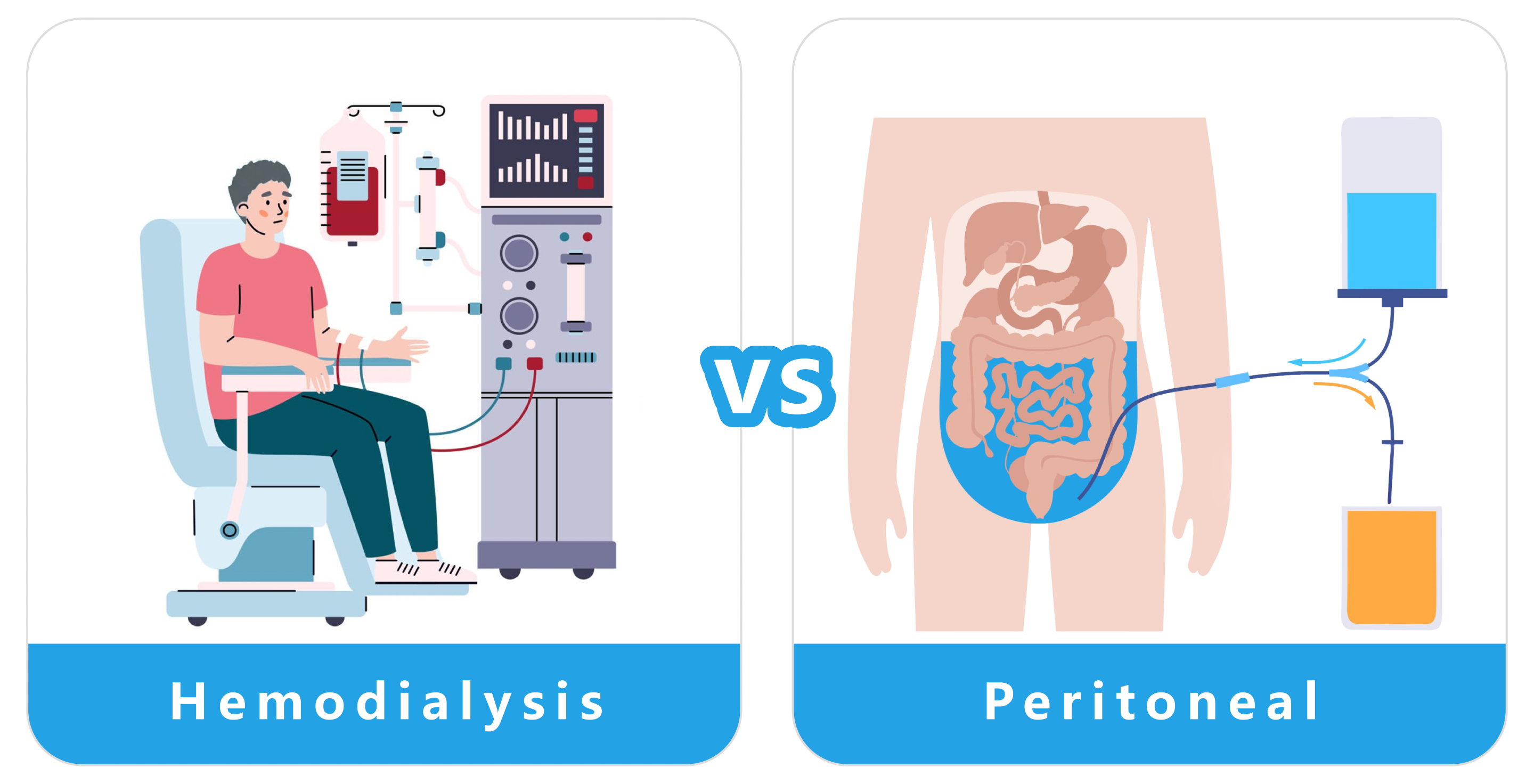
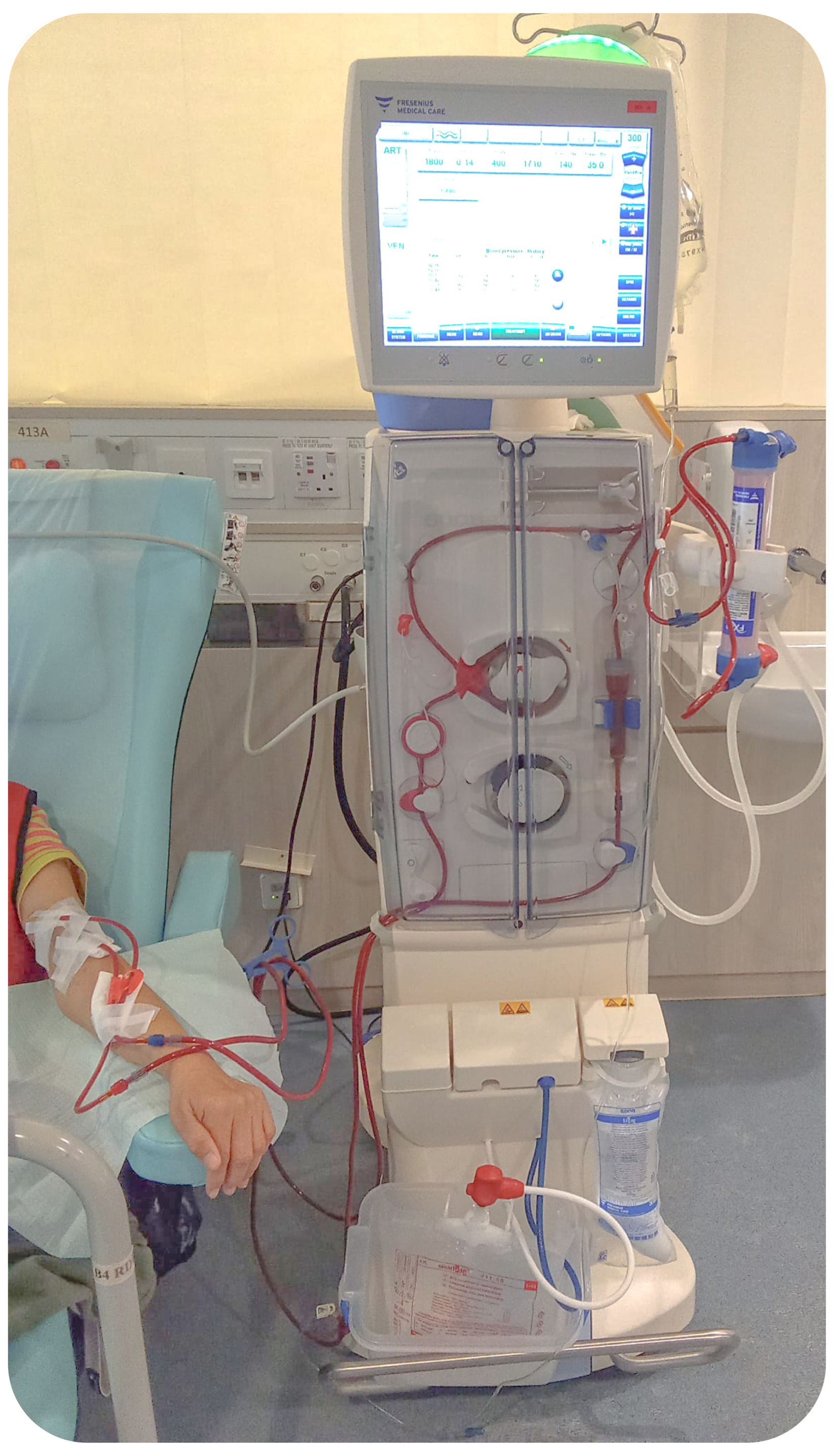
Dialysis is a life-sustaining treatment for patients with end-stage renal disease (ESRD). In Hong Kong, dialysis is primarily divided into two types: 1. Hemodialysis (HD), which uses a HD machine and an artificial kidney to filter blood, and 2. Peritoneal Dialysis (PD), which uses the patient's own membrane to filter blood. This article takes a closer look at the reasons for dialysis, the dialysis process, important dietary restrictions, and care advice.
What Is Dialysis? (Including Hemodialysis and Peritoneal Dialysis)
Dialysis is a general term for hemodialysis and peritoneal dialysis, both of which are treatment methods used to replace kidney function.
When the kidneys have less than 10-15% of its function, they can no longer effectively clean the blood, balance electrolytes, or remove excess fluid. Hemodialysis filters the blood through an external dialysis machine and an artificial kidney called a dialyzer, while peritoneal dialysis uses peritoneal membrane as a natural filter to remove excess water and waste from blood.
Why Is Dialysis Needed?
The main reason for dialysis is severe loss of kidney function, often accompanied by serious uremic symptoms such as nausea, vomiting, extreme fatigue, shortness of breath, and major electrolyte imbalance. In these situations, dialysis is needed to maintain internal stability, prolong life, and improve quality of life. The main causes of kidney failure include diabetes, hypertension, chronic glomerulonephritis, and polycystic kidney disease.
- Diabetes mellitus: One of the most common causes of dialysis in Hong Kong. Long-term high blood sugar damages the kidney's small blood vessels.
- Hypertension: Poorly controlled high blood pressure over time can harden the arteries in the kidneys and impair kidney function.
- Chronic glomerulonephritis: Inflammation affects the kidney's filtering system and reduces kidney function. Common causes of glomerulonephritis are IgA nephropathy or Systemic Lupus Erythematosus (SLE).
- Polycystic kidney disease: A hereditary disease caused by congenital gene defects that lead to abnormal kidney structure or function, often progressing to end-stage renal failure in adulthood.
Types of Dialysis: Hemodialysis vs Peritoneal Dialysis
|
Item |
Hemodialysis |
Peritoneal Dialysis
|
|
Principle |
|
|
|
Process |
|
|
|
Time required |
|
|
|
Treatment location |
|
|
|
Advantages |
|
|
|
Disadvantages |
|
|
Side Effects and Possible Complications of Hemodialysis
Hemodialysis is a life-support treatment that can effectively remove toxins and excess fluid from the body, but because it changes the body's electrolyte level and fluid volume quickly, patients may experience some side effects during or after treatment.
- Low blood pressure is the most common side effect. It happens when fluid is removed too quickly and the circulation system cannot adjust fast enough. Patients may feel dizzy, nauseated, or vomit, and in severe cases may faint. Healthcare staff closely monitor blood pressure and may adjust the dialysis speed or give saline if needed.
- Muscle cramps may happen during or after treatment, usually because of rapid dehydration, quick electrolyte changes, especially sodium, and poor circulation. Patients may feel painful tightening or spasms, especially in the legs. Healthcare staff usually relieve it through massage or adjusting dialysis parameters.
- Fatigue and weakness are common after dialysis because the body needs time to adjust to the rapid changes in fluid and electrolyte levels. Patients are generally advised to rest more after dialysis.
- Access-related infection and blockage can occur because vascular access sites, such as fistulas, grafts, or catheters, are directly connected to the bloodstream. Poor care or low immunity may lead to infection, or blood clots may block the access. Keeping the access site clean and open is one of the most important parts of dialysis care.
- Dialysis disequilibrium syndrome is a rare but serious complication. If uremic toxins are removed too quickly, the balance of solutes in the brain may lag behind and cause brain swelling. It usually happens during the first dialysis sessions or when waste buildup is very severe. Symptoms include severe headache, nausea, restlessness, confusion, and even seizures.
To reduce these side effects as much as possible, patients must strictly follow fluid and dietary restrictions between dialysis sessions. This is important because kidney function is essentially lost between treatments, and the body cannot remove excess water or waste on its own.
Hemodialysis Care and Dietary Restrictions
(  Click the image to enlarge )
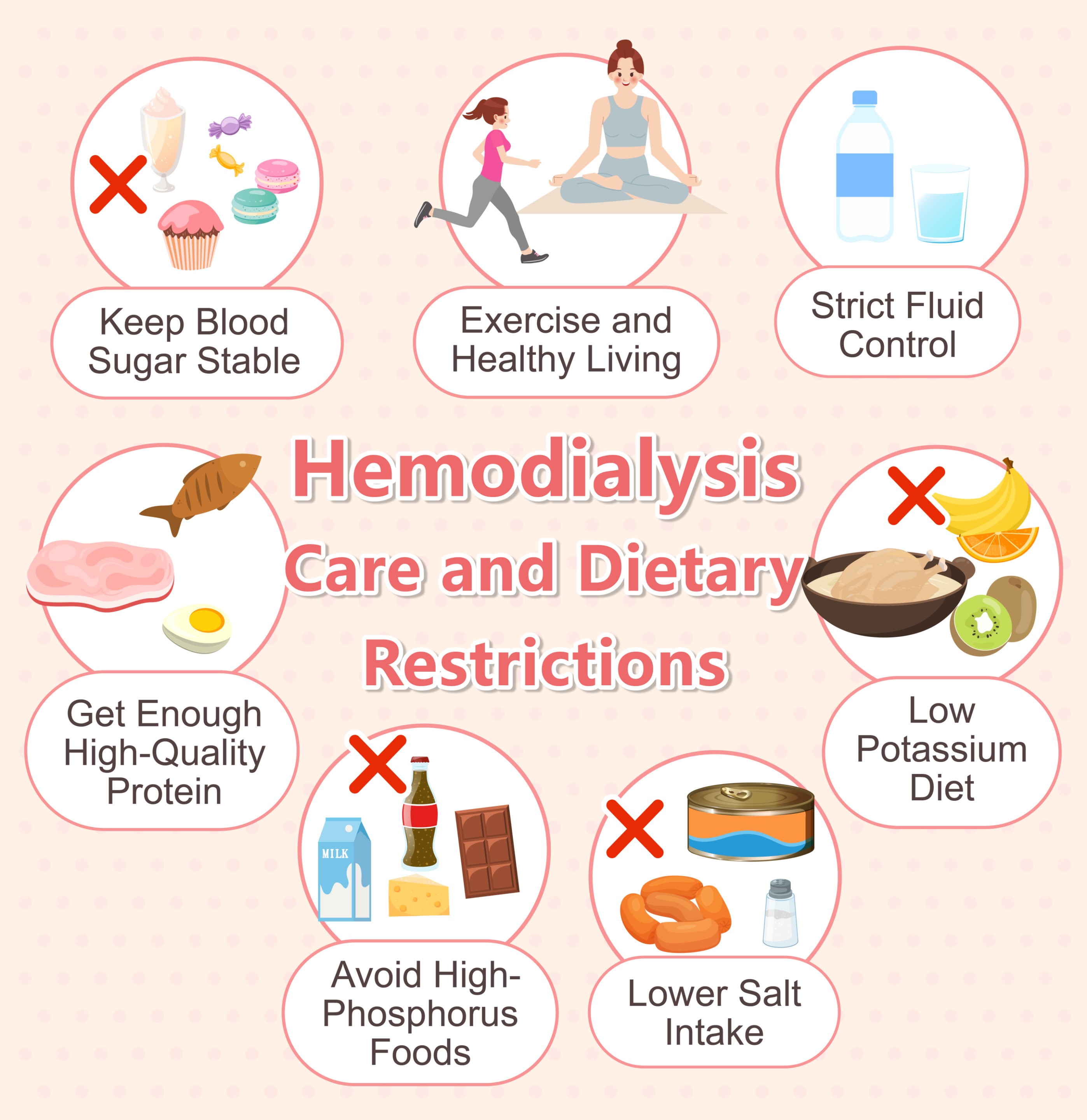
Patients on hemodialysis need to control their diet carefully between sessions. Otherwise, waste and fluid may build up too much in the body, putting extra strain on the heart and reducing the effectiveness of the next treatment.
Strict Fluid Control
Because kidney urine output is almost completely lost, drinking too much between treatments can lead to fluid overload, pulmonary edema, high blood pressure, and heart failure. Patients should strictly limit their daily fluid intake, including hidden fluids in soup, congee, fruit, and ice.
Low Potassium Diet
High potassium levels can cause abnormal heart rhythms and may be life-threatening. Although hemodialysis can remove potassium from the blood, potassium may build up quickly between treatment sessions. Patients should avoid or reduce high-potassium foods such as soup stock, chicken essence, avocado, banana, kiwi, orange, and dark green vegetables. Vegetables should be soaked in water for at least 30 minutes and boiled in plenty of water. Do not drink the cooking water.
Lower Salt Intake
High sodium intake causes thirst, which increases fluid intake and can lead to high blood pressure and swelling. Patients should limit processed foods, cured meats, canned foods, soy sauce, oyster sauce, and other salty condiments. Natural seasonings such as ginger, scallion, garlic, and lemon are better choices.
Avoid High-Phosphorus Foods
High phosphorus levels may cause itchy skin, bone problems, and vascular calcification, increasing cardiovascular risk. Patients should avoid or reduce organ meats, dairy products, nuts such as peanuts and walnuts, chocolate, and soft drinks. Phosphate binders may be prescribed when needed.
Get Enough High-Quality Protein
Dialysis causes protein loss, but breaking down protein also produces uremic waste. Patients therefore need enough high-quality protein, such as fish, eggs, and lean meat. Intake should be balanced and adjusted under the guidance of a dietitian.
Keep Blood Sugar Stable
For patients whose kidney failure is caused by diabetes, strict blood sugar control is essential for slowing vascular damage and maintaining health. Patients should avoid sugary drinks and desserts and monitor blood glucose regularly.
To learn more, please book an appointment with the St. Paul's Hospital Dietetics & Catering Department, where our professional registered dietitians provide personalized nutritional consultation and dietary guidance.
Exercise and Healthy Living
Regular exercise and healthy habits are very important for dialysis patients because they can improve quality of life and reduce complications.
1. Regular Routine and Healthy Habits
- Maintain regular exercise, with medical approval, such as walking or gentle aerobic activity. This helps preserve heart and lung function, strengthen muscles, and improve overall health.
- Avoid smoking and excessive alcohol use. Smoking is especially harmful to blood vessels and can easily cause vascular access blockage.
2. Vascular Access Care
Fistula Self-Examination
The fistula is the most commonly used vascular access for hemodialysis. It is usually created by a surgeon in the forearm or upper arm by connecting an artery and a vein. This allows the vein to enlarge and thicken so it can handle the high blood flow needed for dialysis.
Because blood flow and pressure are stronger in a working fistula, patients should check two signs every day:
1.Thrill:
How to check: Gently place your fingers over the fistula.
Normal finding: You should feel a continuous, regular vibration (like water flowing through a wire or a cat purring).
2.Bruit:
How to check: Place your ear, or preferably a stethoscope, close to the fistula and listen.
Normal finding: You should hear a continuous “whooshing” or “swishing” blood flow sound.
If the thrill becomes weak or disappears, or if the bruit becomes quieter or absent, the fistula may be blocked or about to fail. This should be treated as urgent, and medical help should be contacted immediately.
Dialysis Catheter Care
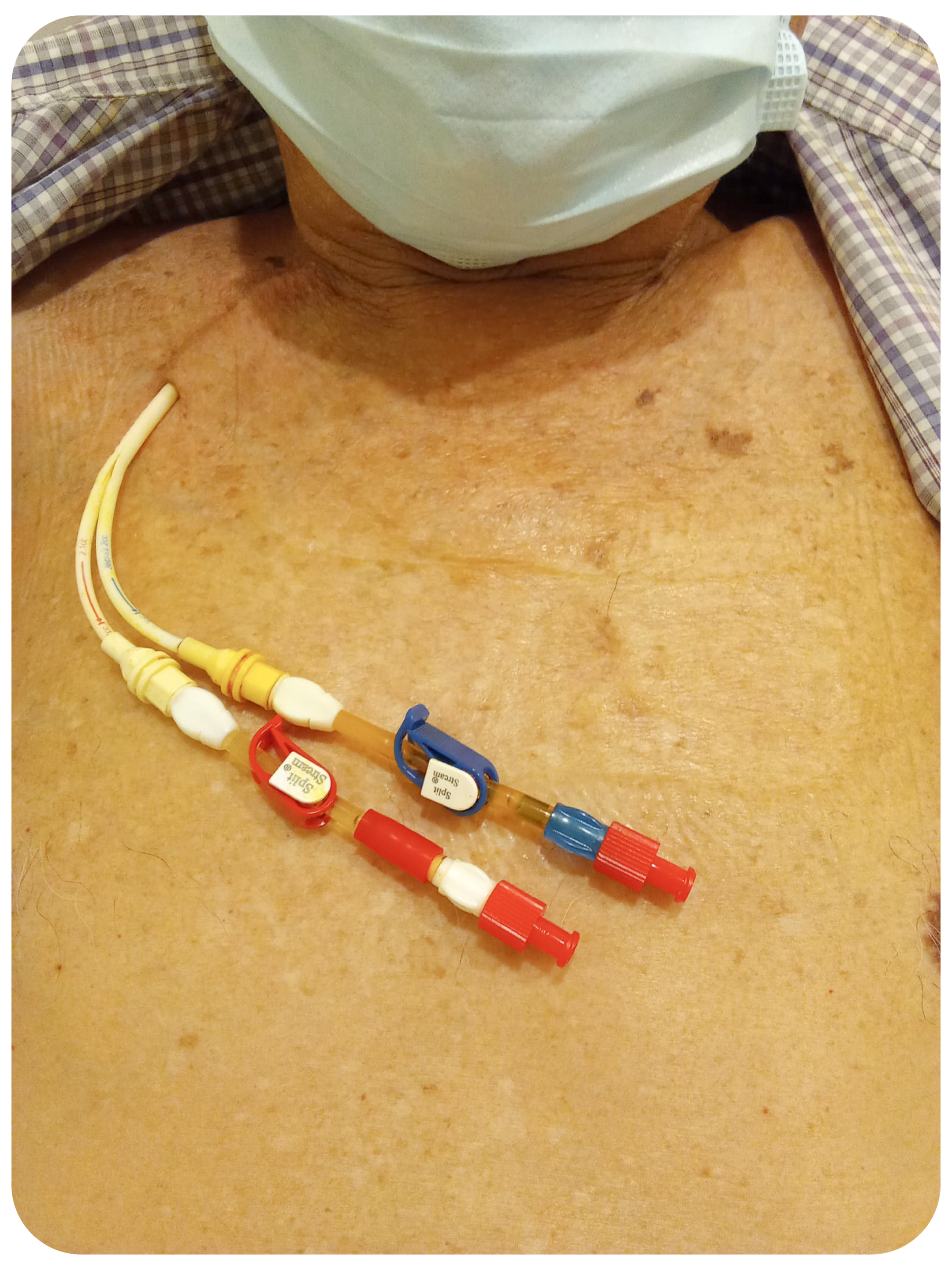
For patients using a dialysis catheter, the catheter is a direct connection to the bloodstream. If it becomes contaminated with bacteria, it can cause catheter-related infection, bloodstream infection, or sepsis. Correct and ongoing catheter care is therefore essential during hemodialysis treatment.
Keep the Exit Site Clean and Dry
The catheter exit site, where the catheter passes through the skin, should be kept clean and dry every day to prevent bacterial growth in moist environments. Do not change the dressing on your own.
Do Not Touch or Pull the Catheter
Patients and family members should avoid touching the exit site or catheter connection with bare hands. Do not pull, twist, or adjust the catheter yourself, as this may damage the skin or displace the catheter and increase the risk of infection and bleeding.
Bathing and Daily Life
Bathing or swimming is generally not recommended until healthcare staff confirm that the exit-site wound is fully stable. During showering, protect the catheter area from getting wet. If the dressing becomes damp or loose, contact healthcare staff as soon as possible.
Watch for Signs of Infection
Patients should check the catheter exit site and surrounding skin daily. Contact healthcare staff promptly if any of the following occur:
- Redness, swelling, warmth, pain, or discharge.
- Bad odor or pus-like discharge from the wound.
- Fever, chills, or general discomfort.
These may be early signs of catheter infection, and early treatment can help prevent serious complications.
Aseptic Technique Matters Is Equally Important
During every hemodialysis session, healthcare staff strictly follow aseptic procedures, including thoroughly disinfecting the catheter connection sites and using sterile equipment. Patients should also cooperate with staff instructions by avoiding touching the catheter or related equipment during treatment to reduce infection risk.
The quality of dialysis catheter care directly affects treatment safety and long-term health. With proper daily care and regular checks by professional healthcare staff, infection risk can be greatly reduced, ensuring safe and stable hemodialysis treatment.
If you have any questions about dialysis catheter care, hemodialysis arrangements, or your personal concern, please visit St. Paul's Hospital Renal Dialysis Centre, or book an appointment through the Specialist Outpatient Department to consult a doctor.
Common Questions
Does Dialysis Cause Pain?
In general, dialysis itself does not cause pain. For hemodialysis, only the needle insertion for vascular access may cause brief pain, similar to a blood draw. After the needles are in place, the treatment is usually painless. For peritoneal dialysis, patients may feel abdominal fullness when the dialysis fluid is infused, but not obvious pain.
Does Dialysis Shorten Life?
No. Dialysis is a life-sustaining treatment. Without it, patients with end-stage renal failure would live for a much shorter time. Dialysis cannot completely replace healthy kidneys, but it can significantly extend life and improve quality of life.
Who Needs Dialysis?
People with end-stage renal failure, meaning kidney function is below about 10% to 15%, and who have severe uremic symptoms such as nausea, swelling, or serious electrolyte imbalance, need dialysis. The most common causes are poorly controlled diabetes and hypertension.
How Long Can Someone Live Without Dialysis?
Without dialysis, patients with end-stage renal failure usually survive only a few weeks to a few months, depending on how quickly toxins and fluid build up and how severe the condition is.
Is Dialysis Needed for Life?
In most cases, yes. Once kidney function is completely lost, permanent dialysis is needed unless the patient successfully receives a kidney transplant. After a successful transplant, dialysis may no longer be necessary.


