


The article has been reviewed by Dr. Chan Man Yi, Specialist in General Surgery, St. Paul's Hospital


Breast cancer is the most common cancer among women in Hong Kong, and advances in medicine have significantly improved survival rates. To effectively fight breast cancer, the key is to understand its symptoms and warning signs, and to stay informed about the latest treatment options. This article provides a comprehensive overview of breast cancer, from causes and diagnosis to treatment.
What Is Breast Cancer?
(  Click the image to enlarge )
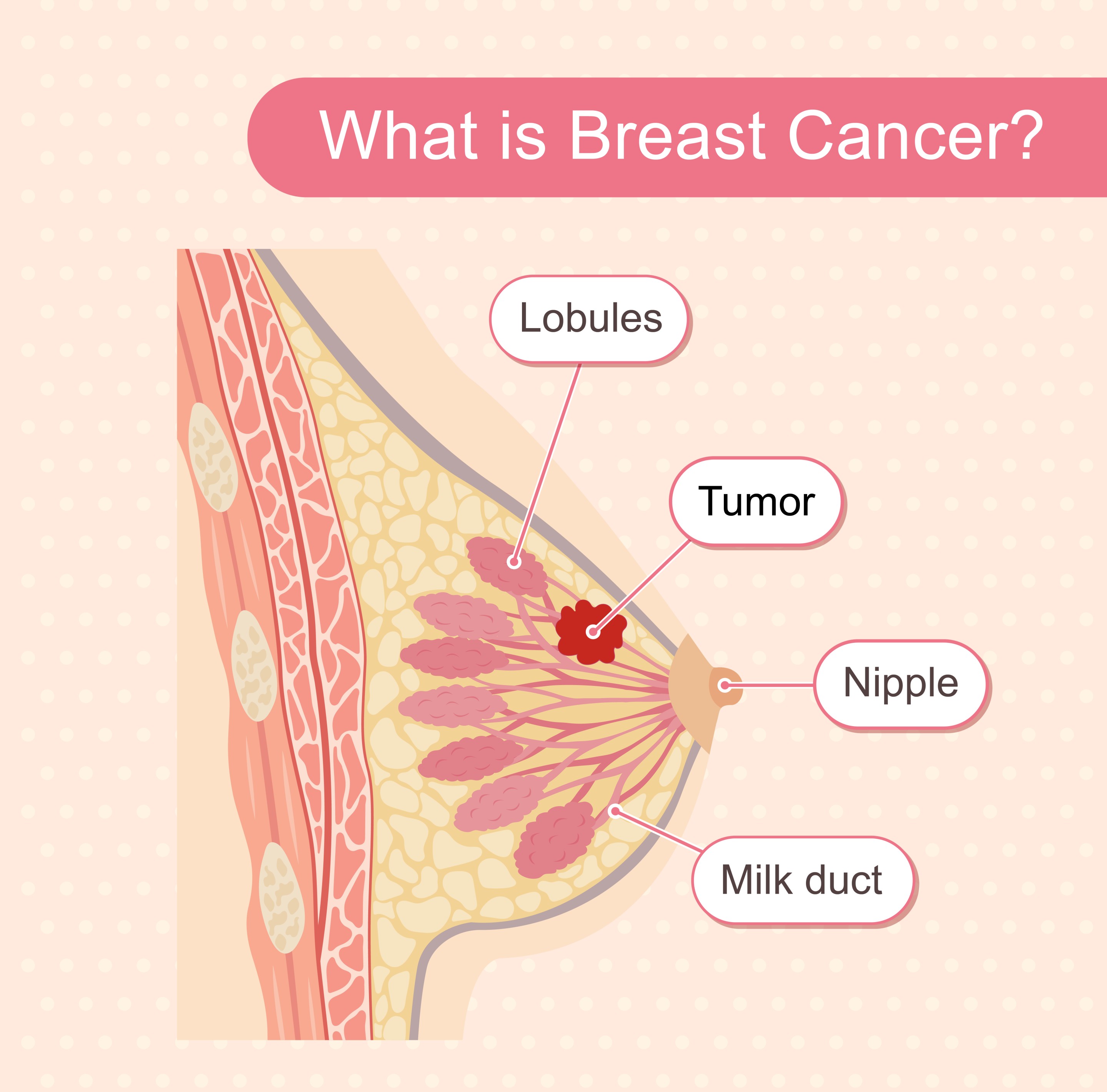
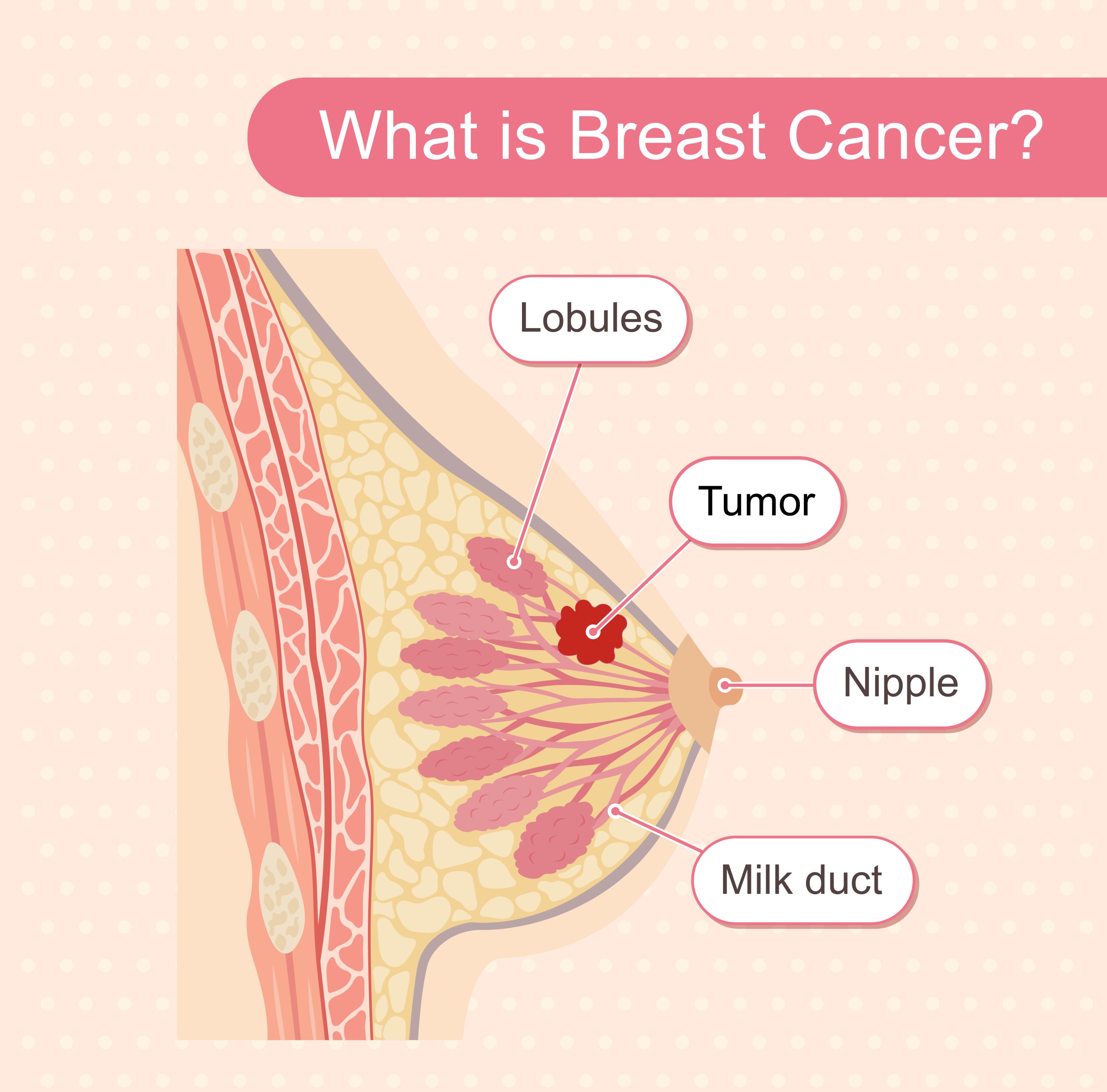
Breast cancer is a malignant tumor that originates from cells in the breast tissue. It usually starts in cells within the breast ducts or lobules. When these cells grow and divide uncontrollably, they can form a lump and may spread to other parts of the body. Breast cancer has surpassed colorectal cancer and is now the second most common cancer in Hong Kong overall.1
Breast Cancer Incidence and Mortality Statistics
In Hong Kong, breast cancer is the leading cancer affecting women. Although the incidence rate is high, the mortality rate has decreased due to improvements in early screening and treatment methods. This reflects the importance of regular check-ups and early detection in improving survival.
According to the latest published information from the Centre for Health Protection, breast cancer has remained the most common cancer among women in Hong Kong for many years. In 2023, there were 5,585 new cases of female breast cancer in Hong Kong, accounting for 28.9% of all female cancer cases.2 The risk of developing breast cancer is clearly higher for women than for men - men had 18 new cases in 2023.2
In terms of mortality, breast cancer is the third leading cause of cancer death among women in Hong Kong. In 2024, 848 women died from breast cancer, accounting for about 13.1% of all female cancer deaths.2 The crude death rate of cancer was 20.7 per 100,000 female population, while the age-standardized death rate was 9.8 per 100,000 standard population.2
Symptoms of Breast Cancer
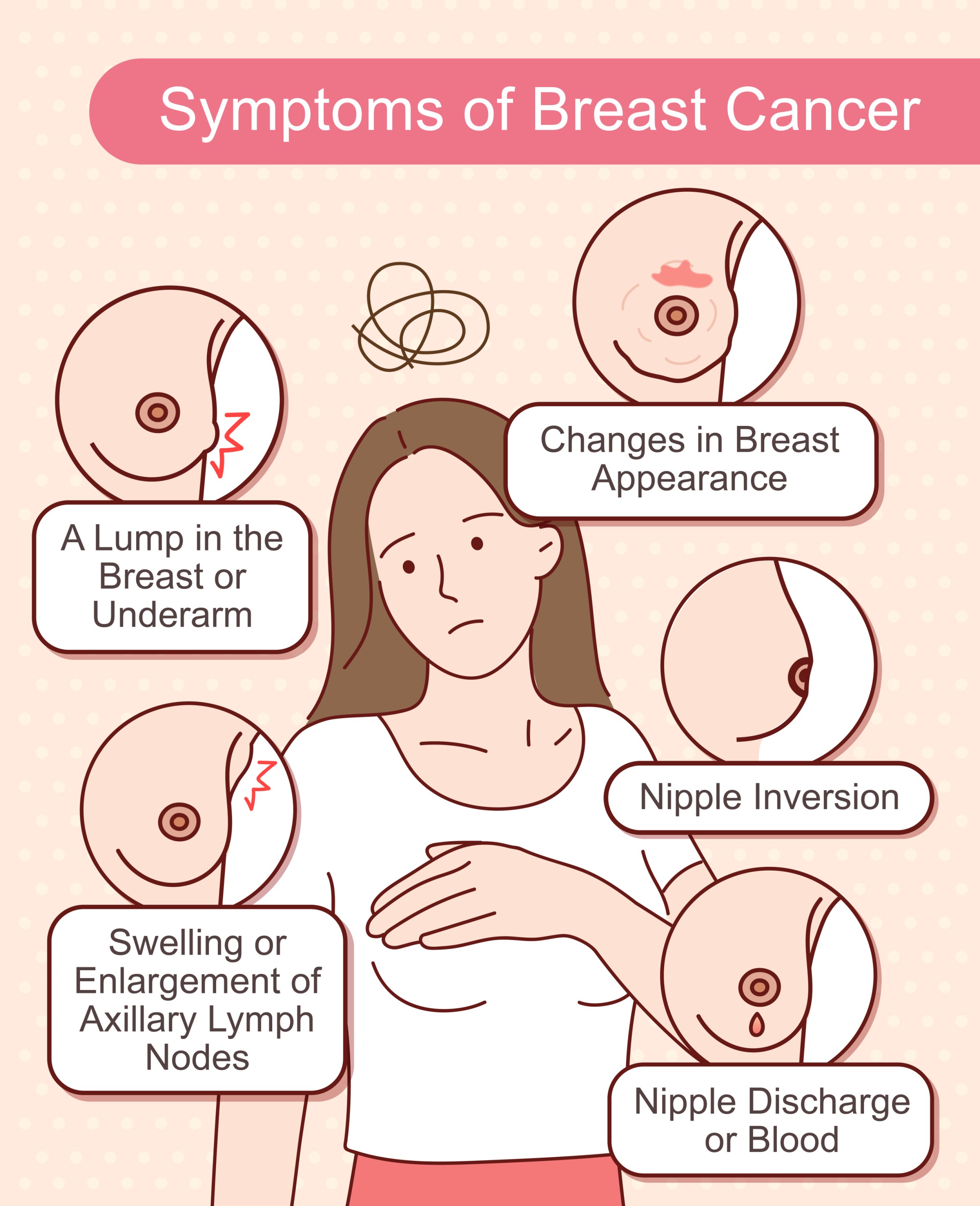
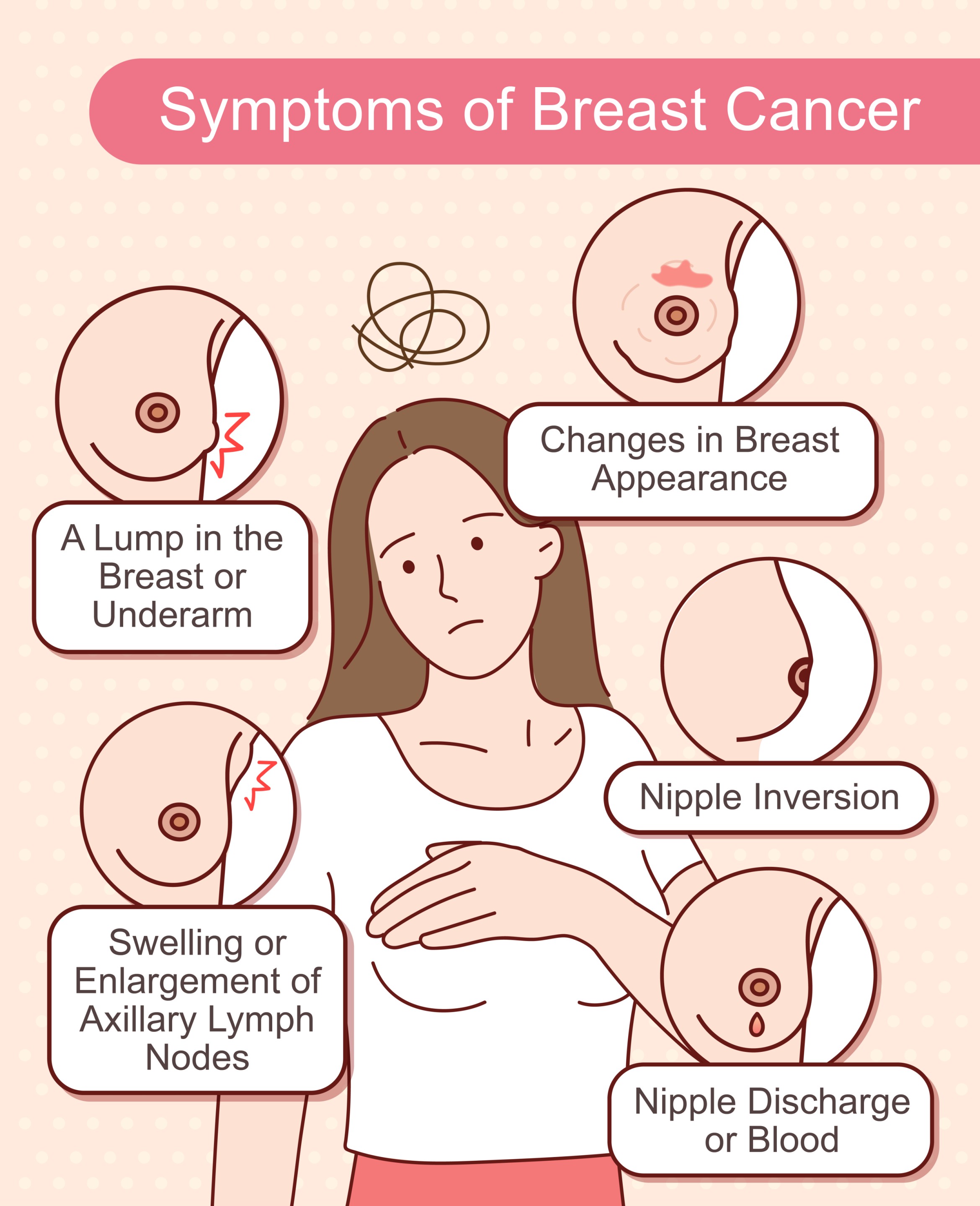
Breast cancer symptoms and warning signs can vary. Early on, it is often painless. During self-examination, pay attention to any changes in the appearance or structure of the breast.
(  Click the image to enlarge )
A Lump in the Breast or Underarm
The appearance of an unexplained lump in the breast or under the armpit (axilla) is one of the most typical signs. Usually, pressing the lump is not painful. It tends to persist and does not move. Benign lumps are often softer, while malignant lumps are more firm and may have an irregular shape.
Changes in Breast Appearance
The following changes in breast appearance may be warning signs of breast cancer:
- Sudden changes in breast size or shape
- Abnormal skin changes on the breast, such as redness, warmth, thickening, scaling, or skin dimpling (“orange-peel” appearance)
Nipple Inversion
If the nipple suddenly (or recently) becomes inverted or retracted, or its shape changes, even slightly is considered as a warning sign.
Nipple Discharge or Blood
Nipple discharge, especially discharge that is bloody, clear, or persistent—particularly if it occurs in only one breast can be a warning sign of breast cancer and should be investigated further.
Swelling or Enlargement of Axillary Lymph Nodes
Cancer cells may spread to lymph nodes in the armpit, causing swelling or enlargement. Sometimes this may appear earlier than the lump in the breast itself.
Causes and Risk Factors of Breast Cancer
Breast cancer results from a combination of multiple factors. While the exact cause is not fully understood, the following risk factors are widely recognized.
Genetic Factors
About 5% to 10% of breast cancers are associated with inherited genetic defects, most commonly mutations in BRCA1 and BRCA2.3 Women with close relatives (such as mothers, sisters, or daughters) who have had breast cancer or ovarian cancer have a higher risk.
Age and Sex
- Sex: Women have a much higher risk than men, but men can also develop breast cancer.
- Age: Risk increases with age, and most breast cancers occur in women aged 50 and above.
Environmental Influences
Long-term exposure to certain factors may increase risk:
- Environmental hormones: Some chemicals in the environment (such as bisphenol A, BPA, found in certain pesticides or plastics) can act like estrogen or interfere with the body's normal endocrine system, which may affect breast cell growth.
- Radiation exposure: Particularly for women who received chest radiotherapy at a young age (during adolescence or early adulthood) for other illnesses (such as lymphoma), which increases the risk of developing breast cancer later.
Hormonal Effects
- Early menstruation and late menopause: Early first period (before age 12) or late menopause (after age 55) 4 - breast tissue is exposed to estrogen for a longer time.
- Long-term hormone replacement therapy (HRT): Especially the combined use of estrogen and progesterone increases risk.
- Never having given birth or later first childbirth (after age 35)4
Lifestyle
Unhealthy lifestyle habits can increase the risk of breast cancer:
- Obesity: Especially after menopause, excess body fat can raise estrogen levels.
- Lack of exercise: Regular physical activity helps lower risk.
- Long-term alcohol consumption: The higher the alcohol intake, the higher the risk.
Breast Cancer Screening Methods
Early detection of breast cancer mainly relies on the following two methods:
Breast Observation
Observe your breasts in front of a mirror once a month. Check for any unusual changes in appearance, such as skin dimpling, changes in skin color, or alterations in the position or shape of the nipple.
Breast and Nipple Palpation
Perform a monthly breast self-examination by gently pressing the breasts and underarm area with the pads of your fingers to check for any lumps or thickened tissue. For high-risk individuals, a clinical breast examination by a doctor is recommended. For more comprehensive guidance, you may refer to the information “How to do Breast Self-Examination?” of St. Paul's Hospital.
Diagnosis of Breast Cancer
If symptoms of breast cancer are detected or screening results are abnormal, doctors will recommend further imaging and histological tests to confirm the diagnosis.
Mammography
Mammography is currently the most widely recognized primary screening tool for breast cancer worldwide. It provides clear images of breast tissue and can effectively detect microcalcifications or small lumps that are difficult to identify by visual inspection or palpation. For women aged 40 or above, regular mammography is crucial for early detection and improving cure rates.
St. Paul's Hospital offers a range of advanced mammography services to meet different breast density and screening needs:
- 2D Mammography: A basic screening method that captures breast images from two angles.
- Breast Tomosynthesis (3D Mammography): Breast Tomosynthesis uses low-dose X ray system and advanced computing technology to create multiple cross-sectional images of breast tissue. It is also known as 3D Mammography because it makes use of a series of 2D images to reconstruct 3D image of your breast. It is effective for premenopausal women with dense breast tissue.
- Contrast-Enhanced Mammography (CEM): Contrast-enhanced mammography is an advanced imaging technique that combines traditional mammography with the use of a contrast agent to provide functional diagnostic information. This method enhances the detection of abnormal lesions, particularly in dense breast tissue, by highlighting areas with increased vascularity, which may indicate breast cancer. CEM provides a comprehensive view, assisting doctors in making accurate diagnoses and facilitating timely treatment.
Ultrasound Examination
Ultrasound is typically used as an adjunct to mammography and is especially suitable for younger women with denser breast tissue. It helps differentiate whether a lump is solid (which may indicate a tumor) or fluid-filled (usually a benign cyst).
Biopsy
Biopsy is the gold standard for confirming breast cancer. A small sample of suspicious tissue is removed for pathological analysis:
- Needle Biopsy: Uses a fine needle or core needle to extract cells or tissue.
- Surgical Biopsy: Involves the removal of part or all of a lump for further analysis.
If further examination is required, please feel free to contact the Breast Clinic of St. Paul's Hospital Surgery Centre or make an appointment with our specialist for further consultation.
Further Investigations
If initial tests suggest possible breast cancer, the doctor will arrange more in-depth assessments to determine whether the tumour has spread. Common further investigations include:
Liver Ultrasound Scan
Used to check whether cancer cells have spread to the liver. This is one of the common tests for detecting distant metastasis in breast cancer.
Bone Scan
Used to assess whether cancer has spread to the bones, especially in patients with bone pain or abnormal biochemical markers. This scan can screen the entire skeleton for possible metastatic lesions and is also useful for post-surgical recurrence monitoring.
Magnetic Resonance Imaging (MRI)
MRI uses strong magnetic fields and radiofrequency waves to produce highly detailed, multi-angle cross-sectional images of the breast and soft tissues. It is particularly useful for examining the breast itself, detecting subtle lesions that may be missed by conventional ultrasound or mammography, assessing high-risk individuals, evaluating breast implants, and investigating suspected involvement of other organs. Breast MRI offers advantages such as no radiation, no pain, and high accuracy, and it helps in surgical planning and evaluating the effectiveness of chemotherapy and radiotherapy.
Computed Tomography / Positron Emission Tomography (CT / PET-CT)
CT or PET-CT scans are important tools for evaluating whether cancer has spread to other organs in the body, such as the lungs, bones, and liver. PET-CT is particularly sensitive in cases that are difficult to assess or where multiple metastases are suspected, and it provides valuable information to guide subsequent treatment.
Breast Cancer Staging and Survival Rates
Breast cancer staging is based on the size of the tumor, whether it has spread to nearby lymph nodes, and whether there are distant metastases (the TNM system). Staging provides the foundation for planning treatment and estimating a patient's relative survival rate.
Treatment Options for Breast Cancer
Breast cancer treatment is a comprehensive, multidisciplinary process. It usually combines surgery with various adjuvant therapies. The choice of treatment depends on the cancer type, stage, hormone-receptor status, and the patient's overall health.
Surgical Treatment
Surgery is a primary treatment for breast cancer and is also used to evaluate whether lymph nodes have been involved.
Breast-Conserving Surgery (BCS)
Only the tumor and a portion of the surrounding tissue are removed, with the goal of preserving the breast's appearance. It is usually suitable for patients with smaller tumors and where the breast can be preserved with a good cosmetic result. After BCS, radiation therapy is typically required to lower the risk of local recurrence.
Mastectomy
The entire breast tissue is removed. This is usually recommended for patients with larger tumors, multiple tumors, a high risk of recurrence after breast-conserving surgery, or when breast-conserving surgery is not suitable. Today, many patients also undergo breast reconstruction to improve postoperative appearance.
Medication/Adjuvant Therapies
These treatments aim to reduce the risk of recurrence, eliminate tiny residual cancer cells (adjuvant therapy), or shrink the tumor before surgery (neoadjuvant therapy).
Radiation Therapy (Radiotherapy)
High-energy radiation is used to kill cancer cells.
- External beam radiation therapy: Radiation is delivered from outside the body to the breast area; this is the most common method.
- Internal radiation therapy (brachytherapy): Radiation sources are placed directly in or near the tumor area, suitable for some early-stage breast cancers.
Chemotherapy
Anticancer drugs kill cancer cells throughout the body. It is mainly used for breast cancer types with higher risk of recurrence (such as TNBC), for cases with lymph node metastasis, or as neoadjuvant therapy to shrink tumors before surgery.
Hormone Therapy
This is specifically for hormone-receptor-positive breast cancer (e.g., ER+ or PR+). By using oral medications to block the hormone signals cancer cells use to grow, it helps prevent recurrence. Treatment usually needs to be continued for several years.
Targeted Therapy
Targeted drugs precisely attack specific receptors or signaling pathways unique to cancer cells, for example, HER2-positive breast cancer therapies. Side effects may be relatively fewer, but costs are often higher.
Immunotherapy
Immunotherapy uses medications to activate the patient's own immune system, improving its ability to recognize and attack cancer cells. It is mainly used for more aggressive triple-negative breast cancer, especially when combined with chemotherapy, where it can significantly improve outcomes.
Breast cancer treatment is a multi-dimensional decision-making process that requires coordination between surgeons and oncologists. St. Paul's Hospital has a cross-disciplinary team to support you throughout your treatment journey. If you would like further consultation on breast cancer treatment options, you can book an appointment with the Breast Clinic of Surgery Centre or schedule a consultation with the Radiotherapy and Oncology Centre of St. Paul's Hospital for professional advice.
Breast Cancer Recurrence Risk and Prognosis
Regular Breast Checks
Even after completing breast cancer treatment, patients still need regular follow-up visits and breast examinations (including mammography/X-ray imaging and ultrasound) to monitor for signs of recurrence. This is key to maintaining a high survival rate.
Rehabilitation Plan
Survivors should actively follow a rehabilitation plan, including completing all recommended adjuvant therapies, maintaining a healthy diet and regular exercise, staying within an ideal weight range, and seeking psychological support when needed.
Frequently Asked Questions About Breast Cancer
Does Frequent Late-Night Staying Up Cause Breast Cancer?
Although there is no direct evidence showing that staying up late is a single cause of breast cancer, long-term late nights and irregular sleep schedules can suppress the body's melatonin production. This may increase estrogen levels and potentially raise risk indirectly.
What Should Be Prepared Before Breast Cancer Treatment?
Before treatment, patients should complete detailed imaging and pathology tests. These help doctors determine the stage of cancer and choose the best treatment strategy. Patients should also have thorough discussions with their doctors about the treatment plan, potential side effects, and prognosis.
Can Breast Cancer Be Inherited?
About 5% to 10% of breast cancers are caused by inherited gene mutations (such as BRCA1/BRCA2).3 If multiple people in a family have had breast cancer or ovarian cancer, the genetic risk is higher. It is recommended to consult a doctor for genetic counseling and testing.
Do Breast Cancer Patients Need to Have the Whole Breast Removed?
Whether a full mastectomy is necessary depends on factors such as tumor size, location, number of tumors, and the patient's personal preferences. Many patients with early-stage or a single tumor may choose breast-conserving surgery, followed by radiation therapy after the operation.
Can Men Get Breast Cancer?
Breast cancer primarily affects women, but men also have breast tissue. Men account for about 0.5 - 1%6 of all breast cancer cases. Risk can be higher in men with a family history, inherited genetic defects, hormone abnormalities, or prior radiation exposure, so it should not be overlooked.
Which Women Should Receive Regular Breast Screenings?
Generally, it is recommended that women aged 20 to 39 undergo a clinical breast examination by a healthcare professional every 3 years. Women aged 40 and above should receive a mammogram every 1 to 2 years. High-risk groups—such as those with a family history of breast cancer, a history of chest radiation therapy, or high-risk genetic mutations (e.g., BRCA1/BRCA2) should consult a doctor to determine if earlier or more frequent screenings are necessary.
For information about mammography services, you may refer to the St. Paul's Hospital Radiology Department.
Do Larger Breasts Make Breast Cancer More Likely?
Breast size is not directly linked to the incidence of breast cancer. However, larger breasts usually contain more fatty tissue, which can make mammography more difficult and may make it harder to detect lumps.
Why Are Chemotherapy or Targeted Therapy Needed Even After Surgery?
Even though surgery removes visible tumor tissue, breast cancer cells may have already spread in tiny amounts to other tissues before the operation, or there may still be residual cancer cells that are difficult to detect. Postoperative chemotherapy or targeted therapy are adjuvant treatments that help clear remaining or microscopic cancer cells, thereby reducing the risks of recurrence and distant metastasis and improving long-term survival.
Reference:
1.Hong Kong Hospital Authority, Overview of Hong Kong Cancer Statistics of 2023
2.Centre for Health Protection, Breast Cancer
3.Hong Kong Hereditary Breast Cancer Family Registry , Hereditary Cancers | HKHBCFR
4.Hospital Authority - Smart Patient, Breast Cancer
5.Hospital Authority, The First Report of Stage-specific Survival of Breast and Colorectal Cancers in Hong Kong
6.Wealth Health Organization, Breast cancer


